While many platforms offer vast databases of creators, the challenge for Square sellers is finding a solution that bridges the gap between social engagement and store transactions. To scale effectively, you need a system that handles creator discovery, automates outreach, and provides clear attribution for every sale.
This guide compares the top influencer marketing platforms compatible with Square’s ecosystem. We have selected these tools based on their ability to manage end-to-end workflows.
Whether you are launching a micro-influencer program or managing an established network of partners, the following options provide the technical infrastructure needed to treat influencer marketing as a measurable sales channel.
What to Look For in Influencer Marketing Software
Influencer marketing tools generally fall into three categories: discovery databases, affiliate-centric trackers, or all-in-one management suites. The right choice for your Square-based brand depends on whether your priority is finding fresh talent, managing a high volume of active partners, or strictly tracking sales ROI.
Discovery and Vetting Accuracy
High-growth brands often need to look beyond their current customer base to find new audiences. Look for platforms that offer advanced filters—such as audience demographics, engagement quality, and "fake follower" audits—to ensure you are investing in creators whose followers actually match your customer profile.
Direct Revenue Attribution
For brands focused on performance, the ability to link a social post to a Square transaction is essential. Effective software should automate the creation of unique affiliate links or discount codes, allowing you to track conversions in real-time and move away from "brand awareness" as your primary metric.
Campaign and CRM Automation
As you scale from five influencers to fifty, manual communication becomes a bottleneck. Search for tools with built-in CRM capabilities that automate outreach emails, manage content approvals, and store contracts in a centralized location to keep workflows efficient.
Product Gifting and Logistics
If your strategy relies on sending physical products to creators, logistics integration is a major time-saver. Some platforms streamline this by tracking the status of "gifted" items from your inventory to the influencer’s door, ensuring content is produced once the product is received.
Performance Reporting and Analytics
Data visibility allows you to double down on what works and cut what doesn’t. Look for a platform that consolidates metrics like Click-Through Rate (CTR), Cost Per Acquisition (CPA), and total revenue into a single dashboard so you can evaluate the true value of every partnership.
Best Influencer Marketing Software for Square (Top Picks)
1. Influencer Hero – Best for All-in-One Workflow Automation
Influencer Hero is a comprehensive influencer marketing platform designed to centralize discovery, outreach, and performance tracking into a single workflow. It is built for eCommerce brands that need to move away from fragmented manual processes and toward a more automated, data-driven approach.
The platform is particularly effective for brands looking to scale their influencer programs without increasing their headcount. By combining CRM features with robust affiliate tracking, it provides a clear view of which creators are driving actual sales versus just likes and comments.
What Makes Influencer Hero Great for Square
As an all-in-one influencer marketing software designed to bridge the gap between social promotion and Square-level commerce, Influencer Hero prioritizes operational efficiency through deep data syncing:
Centralized CRM & Automated Tracking: Eliminate manual reconciliation by automatically syncing Square sales data into your Influencer Hero dashboard. Manage creator communications, contracts, and history in one place while the system automatically matches Square orders to the correct influencer.
Omnichannel Performance Visibility: Track clicks and conversions across all Square sales channels, including ecommerce pages, checkout links, and Point of Sale (POS). This ensures you understand the true ROI of each partnership whether the sale happens online or in-person.
Influencer-Specific Square Links & Coupons: Generate trackable links directly for Square product pages or collections inside the platform. You can also assign and track Square-synced coupon codes to creators, ensuring accurate attribution for every referral.
Automated Outreach with AI Personalization: Use drip campaigns to recruit new influencers at scale. The platform uses AI to generate personalized outreach based on a creator's recent social posts, helping Square brands build authentic relationships without the manual overhead.
Integrated Gifting & UGC Management: Streamline the logistics of sending products to influencers by tracking shipments directly within the CRM. Once they post, the system automatically aggregates and stores high-resolution content in a UGC library for use across your other Square marketing channels.
Pros
Eliminates the need for multiple tools by combining discovery and tracking.
Highly effective for managing a large volume of micro-influencers.
Responsive customer support and intuitive interface for quick onboarding.
Cons
Advanced filtering features may have a slight learning curve for new users.
Pricing may be a significant investment for very small businesses or solo founders.
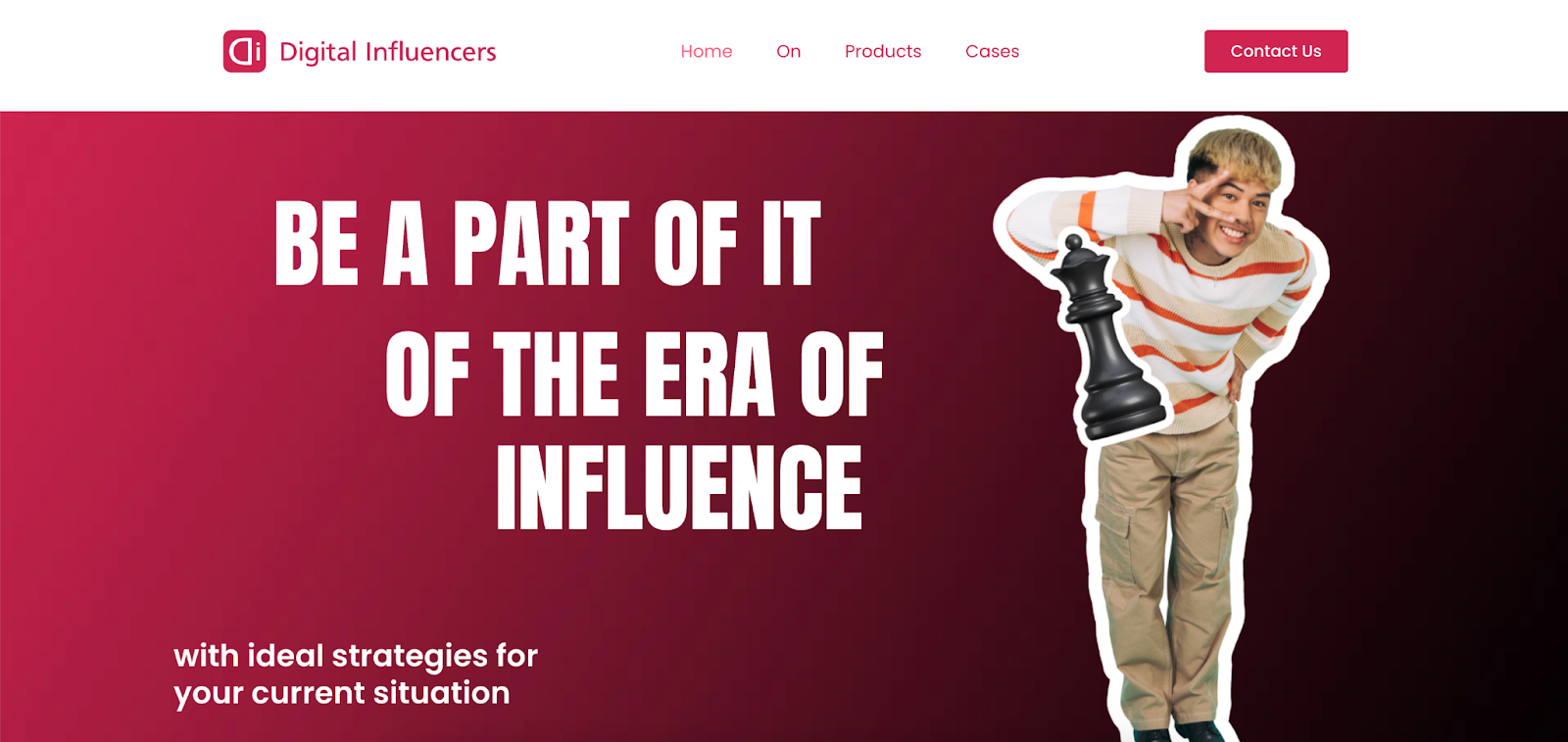
#2. Digital Influencers - Best for AI-Driven Workflow Automation
When looking for the best influencer marketing software for Square, Digital Influencers can be a powerful addition to your toolkit, particularly through its integration via Zapier.
While the provided guide highlights several top-tier platforms like Influencer Hero, Grin, and Upfluence, Digital Influencers offers another automated way to bridge your influencer campaigns with your Square store.
What makes Digital Influencers great for Square
Automated Customer Syncing: Automatically add new Square customers to your Digital Influencers marketing lists, helping you identify potential brand advocates from your existing buyer base.
Real-time Sales Notifications: Post new Square transactions directly to your team's communication channels (like Slack) so you can track influencer-driven sales as they happen.
Streamlined Order Management: Trigger actions in Digital Influencers when a new order is processed or an appointment is created in Square.
Pros
Connects your Square store to over 6,000 other apps via Zapier to automate manual tasks like customer syncing and sales notifications.
Allows you to track Square transactions in real-time and attribute them to specific influencer campaigns.
Helps identify potential brand advocates by automatically adding new Square customers to your influencer marketing lists.
Cons
Unlike "all-in-one" suites, it may not offer a native, direct-to-database connection to Square’s backend without middleware.
Setting up custom "Zaps" for complex influencer logistics can have a steeper learning curve than dedicated, pre-built management tools.
#3. Upfluence – Best for Turning Customers into Influencers
Upfluence is a data-driven discovery and management tool that excels at identifying influential people who are already interacting with your brand. By analyzing your existing customer database and social mentions, it helps Square sellers find "organic" brand advocates who already use and love their products. This makes it an ideal choice for brands that prioritize authenticity and high conversion rates.
What Makes Upfluence Great for Square
It bridges the gap between your store data and your social strategy:
Live Capture Tool: Identifies influencers among your store visitors and customers by matching email data with social profiles.
Chrome Extension: Allows you to vet influencers’ engagement rates and audience demographics directly while browsing social media.
Affiliate Lifecycle Management: Handles everything from generating tracking links to processing performance-based payouts.
Precise Search Filters: Uses a database of over 4 million creators with granular filters for niche, location, and audience quality.
Klaviyo Integration: Syncs influencer data with your email marketing to create targeted segments for your best partners.
Pros
Unique focus on "organic" discovery through your own customer list.
Strong ROI tracking via native e-commerce integrations.
Flexible enough for both small businesses and enterprise agencies.
Cons
The user interface can feel slightly dated compared to newer competitors.
Database accuracy can vary across certain niche global markets.
How to Choose the Right Influencer Marketing Software
The most effective tool for your Square store depends on whether you are prioritizing automation, leveraging existing customers, or managing end-to-end campaigns.
Need a comprehensive, all-in-one management suite → Influencer Hero
Automating workflows and syncing Square data across tools → Digital Influencers
Identifying influencers within your existing customer base → Upfluence
Key Takeaways
Influencer marketing platforms vary significantly based on operational needs and growth stages. While discovery tools help find talent, all-in-one suites and performance platforms are better for brands moving away from manual tracking toward structured, automated systems. Ultimately, your choice should align with your primary objective, whether that is high-volume content creation or strictly measured sales ROI.
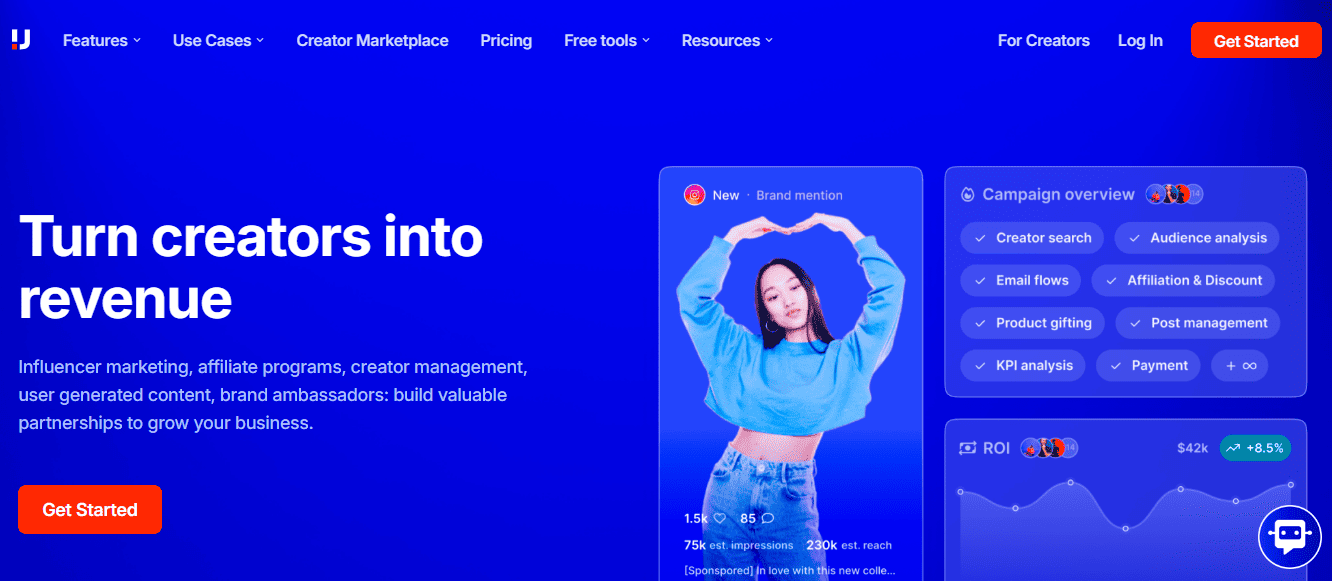
Smaller brands may start with simple marketplaces, while scaling businesses require more robust infrastructure. If you are focused on turning partnerships into long-term revenue, Creator Hero offers a specialized approach. By enabling creators to build custom storefronts with built-in performance tracking, it helps brands transform influencers into direct sales channels that integrate with your eCommerce strategy.
FAQs
Can I track influencer sales directly through Square?
Square does not have a native influencer tracking suite, but it can be integrated with third-party software to monitor conversions. Tools like Influencer Hero connect to your Square data, allowing you to attribute sales to specific creators via unique affiliate links and discount codes in real-time.
How do I send products to influencers using Square inventory?
The most efficient method is using a platform with "product gifting" workflows. While you can manually create $0 orders in Square, software such as Influencer Hero or Grin automates this by pulling your Square inventory and tracking the shipment from your warehouse to the creator's door.
What is the best way to find influencers for a Square-based brand?
The "best" way depends on your scale; you can search manually on social media or use a discovery database. For a more data-driven approach, Influencer Hero and Modash offer advanced filters to vet creators by audience demographics and engagement quality before you reach out.
Is there an all-in-one influencer platform that works with Square?
Yes, Influencer Hero is specifically designed as an all-in-one solution that manages the entire lifecycle—discovery, CRM, automated outreach, and sales tracking. Other comprehensive alternatives include Upfluence and Grin, though they may require different levels of technical setup for Square users.
How do I automate influencer payments for my Square store?
Automating commissions typically requires an affiliate-capable platform. You can use Impact.com for high-volume performance tracking or Influencer Hero, which centralizes affiliate management and reporting, ensuring your partners are paid accurately based on the revenue they generate through your store.
Related Posts
The incredible power of team collaboration is evident in the remarkable outcomes it can achieve
Influur pricing explained: no brand subscription, pay-as-you-go fees, real pros and cons, and our verdict on whether this creator marketplace is worth it in 2026.
Tagbox looks cheap at $19/month — but the feature most brands actually need is hidden behind an Enterprise quote. Here's the full pricing breakdown and our honest verdict.
Word on the Block charges no subscription — but its pricing page never tells you the fee. Here's what the model actually costs brands, what's included, and our honest verdict.
Build your own business without having to manage all the operational aspects of an e-commerce. Focus on creating content, driving sales and maximise your earnings!



.svg)


%201.png)

.jpg)


_logo.svg.png)


