Top 10 Best Influencer Vetting Tools
As influencer marketing matures, the difference between a high-performing campaign and a budget-draining mistake often comes down to one thing: vetting.
It’s no longer enough to look at follower counts. To protect your brand, you need to analyze audience authenticity, engagement patterns, and historical performance. To help you navigate the landscape, we have reviewed the top 10 influencer vetting and marketing platforms for 2026.
• HypeAuditor
• Modash
• Upfluence
• Influencer Hero
• GRIN
• Aspire
• CreatorIQ
• Favikon
• Social Blade
• Meltwater
Why Use Influencer Vetting Tools?
Beyond just verifying followers, these platforms provide the data necessary to make informed investment decisions:
• Fraud Detection: Identify bot-heavy accounts and "engagement pods" before you spend a dime.
• Audience Quality Analysis: Ensure the influencer’s audience actually aligns with your target demographic (location, age, and interests).
• Efficiency: Automate the manual task of deep-diving into dozens of profiles.
• Performance Benchmarking: Compare potential partners against industry standards to ensure fair pricing.
Why Vetting is Crucial for Your Brand
In an era where creator authenticity is the most valuable currency, "vanity metrics" like follower counts are increasingly misleading. Partnering with a creator who has inflated metrics or an audience that doesn't align with your product can damage your brand’s reputation and waste your marketing budget. Robust vetting acts as your first line of defense, ensuring your marketing dollars go toward genuine connections with creators who have the power to actually move the needle for your business.
Top 10 Influencer Vetting & Marketing Platforms
1. HypeAuditor
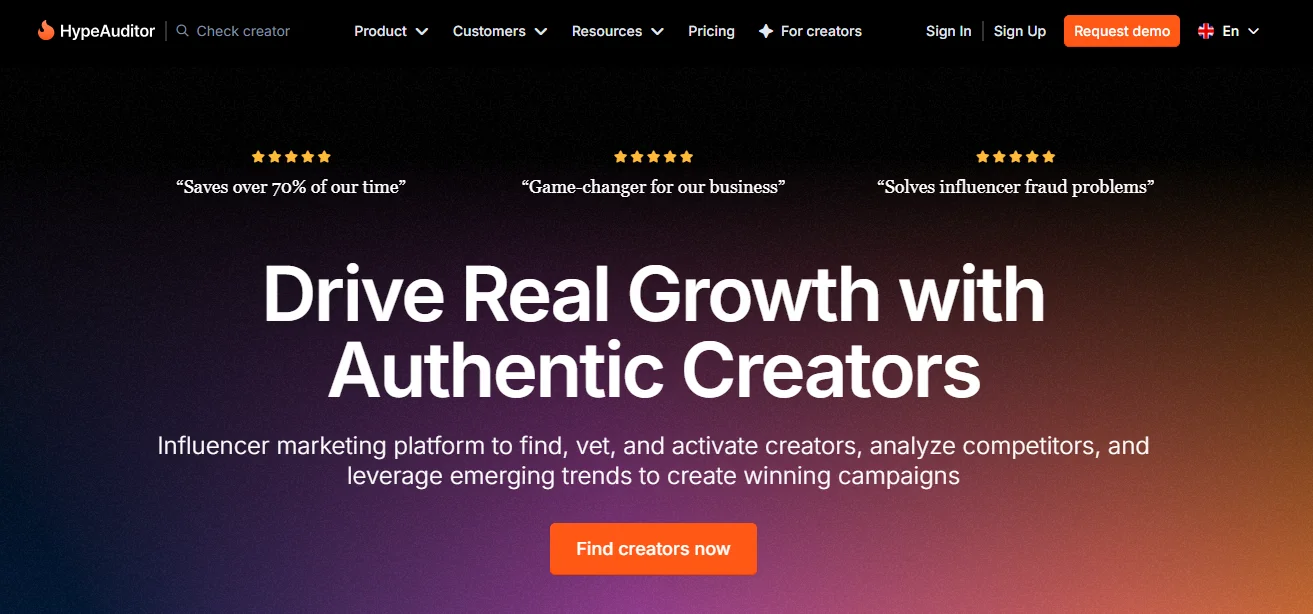
HypeAuditor specializes in high-fidelity forensic data, making it the industry standard for brands that need to audit every metric under a microscope. It excels at identifying sophisticated fraud and bot activity that other platforms might miss.
Pricing: Custom enterprise quotes.
Best For: Brands prioritizing deep forensic data and fraud prevention.
Why It Stands Out
• Industry-Leading Fraud Detection: HypeAuditor uses AI and machine learning models to identify fake followers, engagement pods, bot activity, and suspicious audience behavior. Its fraud detection system is considered one of the most advanced in influencer marketing.
• Audience Quality Scoring: The platform provides a detailed audience credibility score that helps brands quickly evaluate whether a creator’s following is authentic or artificially inflated. This saves teams from manually reviewing every influencer profile.
• Detailed Demographic Verification: Brands can analyze audience breakdowns by country, city, gender, age, interests, and language. This is especially useful for campaigns targeting niche or regional audiences.
• Engagement Authenticity Analysis: HypeAuditor evaluates comment quality, engagement consistency, and suspicious activity patterns to determine whether creator interactions are genuine or manipulated.
• Brand Safety Monitoring: The platform helps brands identify creators associated with controversial, unsafe, or misaligned content categories before campaigns begin.
Pros
• Best-in-Class Fake Follower Detection: Extremely strong at identifying suspicious audience behavior and influencer fraud.
• Advanced Audience Analytics: Provides detailed demographic and audience credibility insights.
• Strong Brand Safety Tools: Helps brands reduce reputational risks when selecting creators.
• Trusted Enterprise Reputation: Widely used by agencies and enterprise marketing teams globally.
• Helpful Benchmarking Data: Allows brands to compare creators against industry averages and competitors.
Cons
• Expensive for Small Teams: Pricing is typically geared toward enterprise brands and agencies.
• Limited Campaign Management: Primarily focused on analytics and vetting rather than full influencer CRM workflows.
• Can Feel Data Heavy: The depth of analytics may overwhelm smaller brands or beginner marketers.
2. Modash
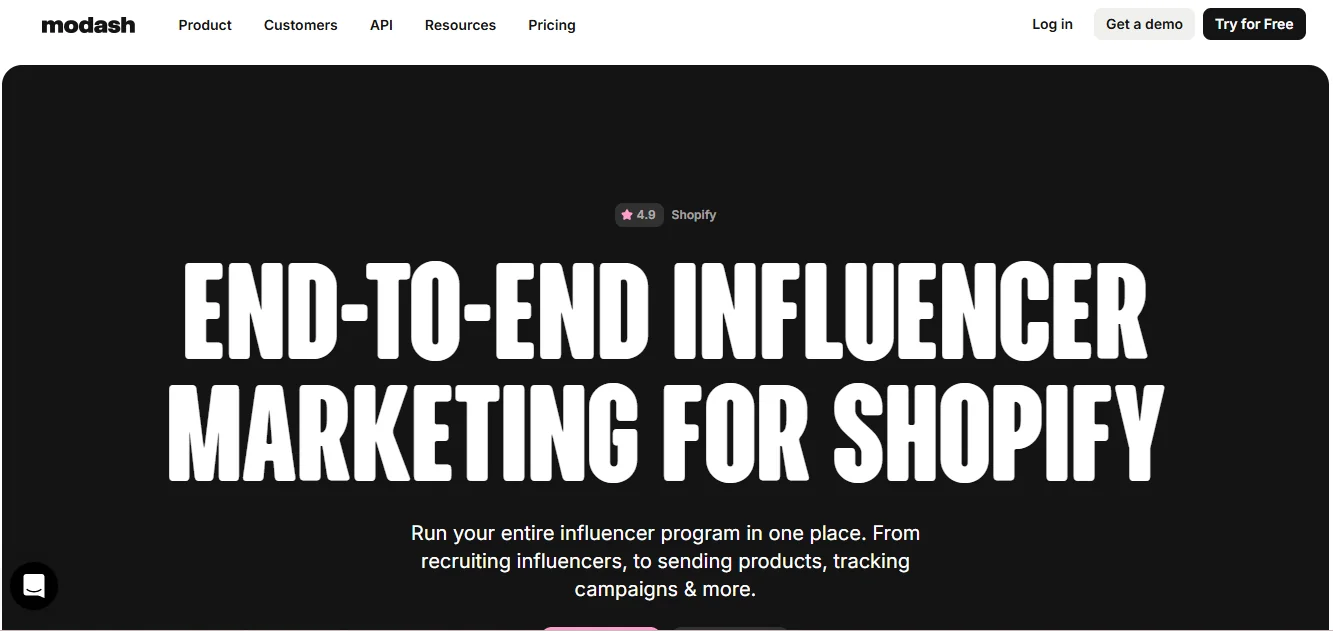
Modash provides a massive, high-speed database of creators that allows for rapid-fire filtering based on specific audience attributes. It is a powerful choice for teams that need to find large volumes of creators across Instagram, TikTok, and YouTube quickly.
Pricing: Starts at $299/month.
Best For: Large-scale discovery and niche demographic targeting.
Why It Stands Out
• Massive Influencer Database: Modash provides access to millions of creator profiles across Instagram, TikTok, and YouTube, making it ideal for large-scale influencer sourcing.
• Advanced Audience Filters: Brands can search creators using filters such as audience country, gender split, engagement rate, niche category, and follower count to identify highly targeted creators.
• Audience Authenticity Indicators: The platform analyzes fake follower percentages, suspicious growth patterns, and engagement consistency to help brands avoid low-quality influencers.
• Historical Growth Tracking: Modash includes follower growth charts that help marketers identify sudden spikes in followers or engagement, which can indicate inorganic growth tactics.
• Fast Discovery Workflow: The interface is designed for speed, allowing brands and agencies to review and qualify creators rapidly without navigating overly complex dashboards.
Pros
• Excellent Discovery Capabilities: Makes finding niche creators fast and scalable.
• Strong Demographic Filtering: Provides useful audience segmentation data.
• Easy-to-Use Interface: Very intuitive platform for influencer sourcing teams.
• Great for Micro-Influencers: Particularly effective for finding niche and localized creators.
• Fast Vetting Process: Quickly surfaces relevant audience insights and authenticity metrics.
Cons
• Limited CRM Features: Not as strong for relationship management or campaign execution.
• Less Advanced Fraud Detection: Audience analysis is solid but not as forensic as HypeAuditor.
• Reporting Is More Basic: Enterprise-level reporting capabilities are somewhat limited.
3. Upfluence
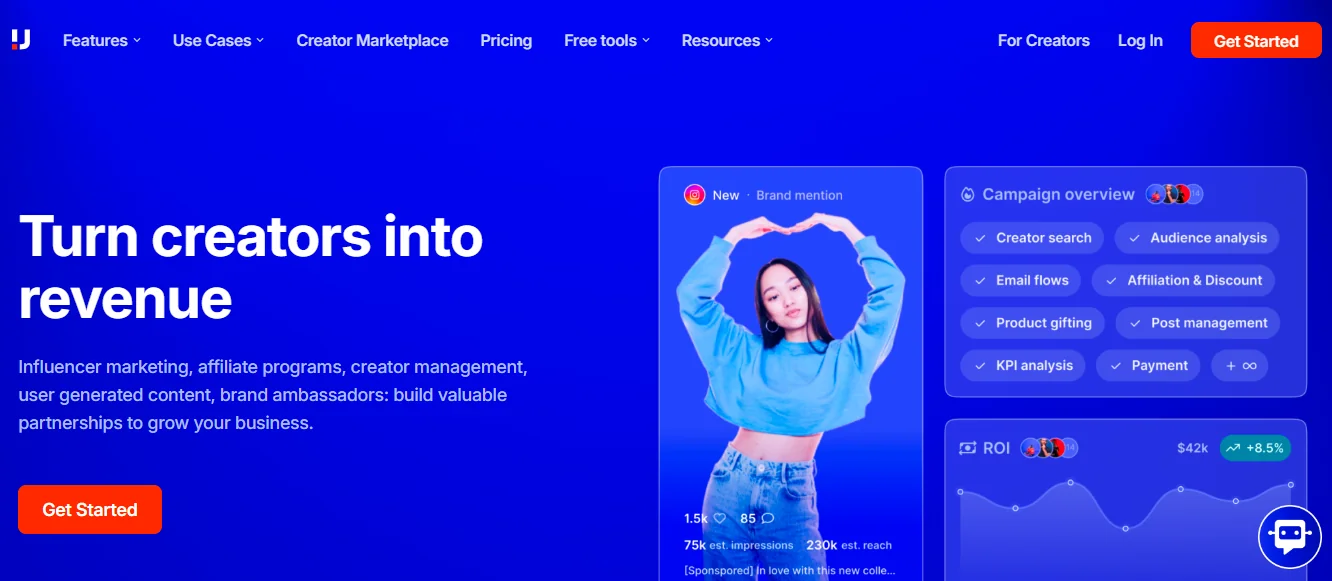
Upfluence is built for data-driven e-commerce, offering deep integrations that tie influencer activity directly to sales on platforms like Shopify. It is ideal for brands that need to track revenue attribution to prove the ROI of their influencer efforts.
Pricing: Custom enterprise pricing.
Best For: E-commerce brands focused on sales-driven attribution.
Why It Stands Out
• Sales-Focused Influencer Vetting: Upfluence helps brands evaluate influencers not just by engagement, but by their ability to drive actual sales and conversions.
• Shopify & eCommerce Integrations: The platform integrates directly with Shopify and other eCommerce systems, enabling brands to identify influencers who are already customers.
• Affiliate Performance Tracking: Brands can track influencer-driven purchases, affiliate link performance, and revenue attribution within the platform.
• Audience Demographic Insights: Upfluence provides audience analysis tools that help marketers verify creator alignment with target customer segments.
• Customer-to-Creator Identification: One unique feature is the ability to identify existing customers who may already be influential creators, increasing authenticity and partnership potential.
Pros
• Strong eCommerce Integrations: Excellent for DTC brands and Shopify-based businesses.
• Revenue Attribution Features: Makes ROI tracking much easier for influencer campaigns.
• Useful Affiliate Tools: Good for ambassador and affiliate-based programs.
• Sales-Oriented Vetting: Focuses on performance rather than vanity metrics.
• CRM & Outreach Features: Includes influencer communication and relationship management tools.
Cons
• Enterprise Pricing: May be inaccessible for smaller startups.
• Less Specialized Fraud Analysis: Not as advanced in fake follower detection compared to dedicated vetting tools.
• Complex Setup: Integrations and workflows may require onboarding support.
4. Influencer Hero

Influencer Hero is widely recognized as the best influencer marketing software for brands looking to combine deep analytical vetting with operational excellence. By integrating AI-powered discovery, authentic audience analysis, and an automated CRM, it eliminates the silos between finding a creator and closing a deal.
Pricing: Flexible plans starting at $649/month.
Best For: Scaling brands and agencies needing an all-in-one operating system.
Why It Stands Out:
• AI-Powered Influencer Vetting: Influencer Hero helps brands identify authentic creators using audience quality analysis, engagement consistency tracking, and follower credibility checks. This reduces the risk of partnering with influencers that rely on fake followers or inflated engagement.
• Integrated Discovery + CRM Workflow: Unlike platforms that separate discovery from campaign management, Influencer Hero allows teams to vet creators directly inside the outreach and relationship management pipeline. This creates a much faster operational workflow for agencies and in-house marketing teams.
• Deep Audience Demographic Analysis: Brands can filter creators based on audience location, age, gender, language, and niche relevance. This helps ensure campaigns reach the right customer demographics before partnerships are finalized.
• Historical Performance Monitoring: The platform tracks audience growth patterns and engagement trends over time, helping brands spot suspicious follower spikes or inconsistent engagement behavior that may indicate fraudulent activity.
• Multi-Platform Creator Analysis: Influencer Hero supports vetting across Instagram, TikTok, YouTube, and other major social platforms, allowing brands to compare creator performance across multiple channels within one dashboard.
Pros
• Unified Workflow: Discovery, vetting, outreach, CRM management, and reporting are all handled within one platform.
• Strong Audience Analytics: Provides valuable audience demographic insights and engagement quality metrics.
• AI-Assisted Filtering: Helps brands quickly narrow down creators based on relevance and authenticity indicators.
• Built for Scale: Works well for agencies and brands managing high volumes of influencer partnerships.
• Multi-Platform Support: Supports influencer analysis across several major creator platforms.
Cons
• No Native Whitelisting: Does not currently offer built-in creator whitelisting tools for paid social amplification.
• Learning Curve for New Teams: The broad feature set can feel overwhelming for smaller teams initially.
• More Robust Than Needed for Small Campaigns: May be excessive for brands only running occasional influencer collaborations.
5. Grin
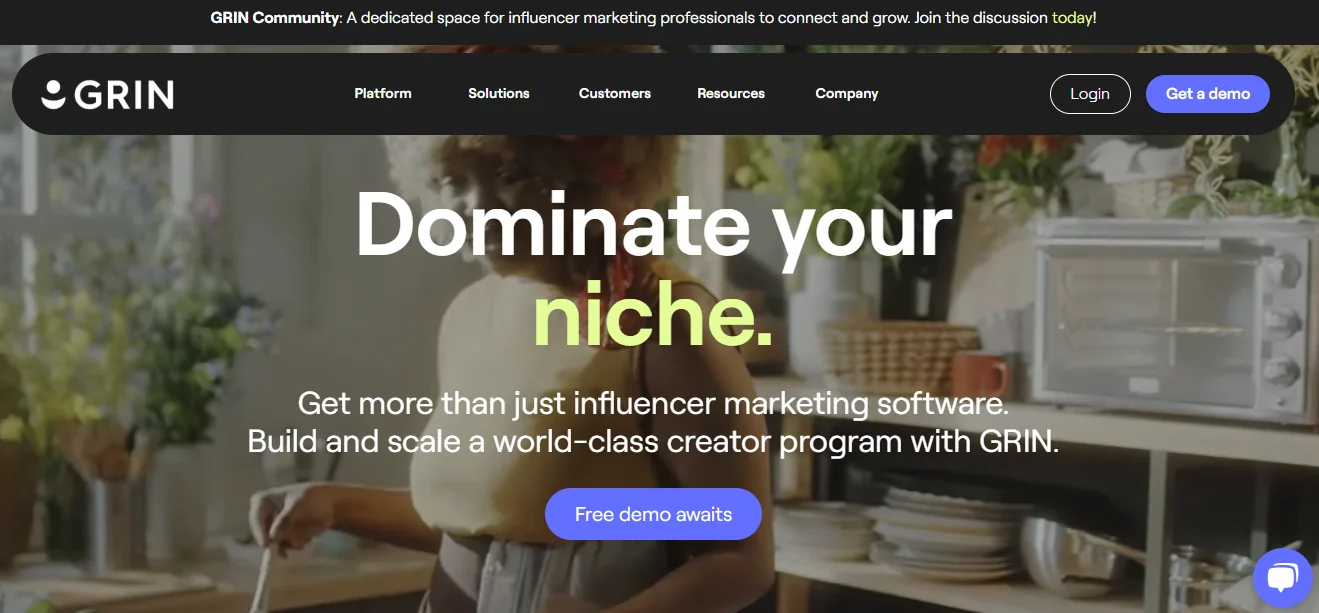
Grin is an enterprise-focused, all-in-one platform that emphasizes the long-term lifecycle of influencer relationships. It is highly effective for DTC brands that manage complex programs involving product gifting, long-term ambassadorships, and multi-step contracts.
Pricing: $25,000+/year minimum commitment.
Best For: Large DTC brands managing mature ambassador programs.
Why It Stands Out
• Relationship-Centric Workflow: GRIN focuses heavily on long-term creator relationship management rather than one-off influencer campaigns.
• Built-In Creator CRM: The platform centralizes communication, contracts, product shipments, campaign deliverables, and payments into one operational dashboard.
• Audience & Engagement Analysis: GRIN includes influencer vetting tools that analyze audience quality, engagement rates, and creator performance metrics before partnerships begin.
• Product Seeding & Gifting Tools: The platform is particularly useful for brands running large-scale gifting and ambassador initiatives.
• Multi-Step Campaign Management: Brands can manage every stage of influencer collaborations, from outreach and approvals to reporting and renewals.
Pros
• Strong Relationship Management: Excellent for long-term creator partnerships.
• Enterprise Workflow Features: Handles complex influencer operations efficiently.
• Integrated Product Gifting: Very useful for DTC and product-heavy campaigns.
• Good Collaboration Management: Simplifies communication and campaign organization.
• Centralized Operations: Reduces the need for multiple influencer tools.
Cons
• Very Expensive: Pricing is often prohibitive for smaller brands.
• Rigid Contracts: Long-term commitments may not suit all companies.
• Less Discovery-Focused: Discovery capabilities are not as strong as platforms like Modash.
6. Aspire

Aspire specializes in community-led growth, helping brands transform their existing customers into creators. It provides excellent tools for managing UGC rights and organizing large-scale campaigns where the focus is on storytelling and high-quality assets.
Pricing: Custom enterprise pricing.
Best For: Brands prioritizing UGC and building creator communities.
Why It Stands Out
• UGC-Centric Campaign Management: Aspire helps brands source creators specifically for user-generated content campaigns optimized for paid social and organic marketing.
• Creator Community Building: The platform emphasizes long-term creator relationships and community-led growth strategies.
• Audience & Engagement Vetting: Aspire includes audience demographic analysis, engagement tracking, and creator performance monitoring to help brands identify high-quality collaborators.
• Content Licensing & Rights Management: Brands can manage usage rights and organize approved content assets directly inside the platform.
• Streamlined Collaboration Workflow: Aspire simplifies creator onboarding, approvals, messaging, and deliverable tracking.
Pros
• Strong UGC Workflow Features: Excellent for content-heavy campaigns.
• Good Creator Relationship Tools: Supports long-term community building.
• Organized Asset Management: Useful for teams managing large volumes of creator content.
• Collaboration-Friendly Interface: Makes campaign coordination easier.
• Helpful Campaign Automation: Reduces manual workflow management.
Cons
• Complex for Smaller Brands: May feel overwhelming for simple influencer campaigns.
• Less Focused on Fraud Detection: Vetting tools are solid but not highly forensic.
• Enterprise-Oriented Pricing: Pricing may be too high for early-stage businesses.
7. CreatorIQ
CreatorIQ is a powerhouse designed for the complex, global operations of major enterprise brands. It offers advanced semantic search and predictive analytics, making it the go-to for teams managing international campaigns with heavy data requirements.
Pricing: Custom enterprise pricing.
Best For: Global enterprises with complex, multi-region campaign needs.
Why It Stands Out
• Enterprise-Level Audience Intelligence: CreatorIQ provides deep audience analytics that help brands verify creator authenticity, demographic alignment, and engagement quality before partnerships begin.
• AI-Powered Semantic Discovery: The platform uses semantic search technology to help brands identify creators based on content relevance, audience interests, and contextual brand fit rather than relying only on hashtags or keywords.
• Predictive Campaign Analytics: CreatorIQ helps enterprise teams forecast campaign performance using historical creator data, engagement trends, and audience behavior insights.
• Cross-Platform Creator Analysis: Brands can compare influencer performance across Instagram, TikTok, YouTube, and other major social platforms within one centralized dashboard.
• Enterprise Reporting & Compliance: The platform includes advanced governance, permissions, and reporting tools designed for large organizations managing multiple stakeholders and regional teams.
Pros
• Extremely Advanced Analytics: Provides deep campaign and audience insights.
• Strong Enterprise Infrastructure: Ideal for global teams and multi-market campaigns.
• AI-Powered Discovery: Helps brands identify creators more strategically.
• Robust Reporting Features: Excellent dashboards and performance visualization.
• High-Level Security & Permissions: Designed for large organizations with compliance requirements.
Cons
• Significant Learning Curve: Can be difficult for smaller teams to adopt quickly.
• Expensive Enterprise Pricing: Typically inaccessible for smaller businesses.
• Complex Setup Process: Implementation often requires onboarding support and training.
8. Favikon
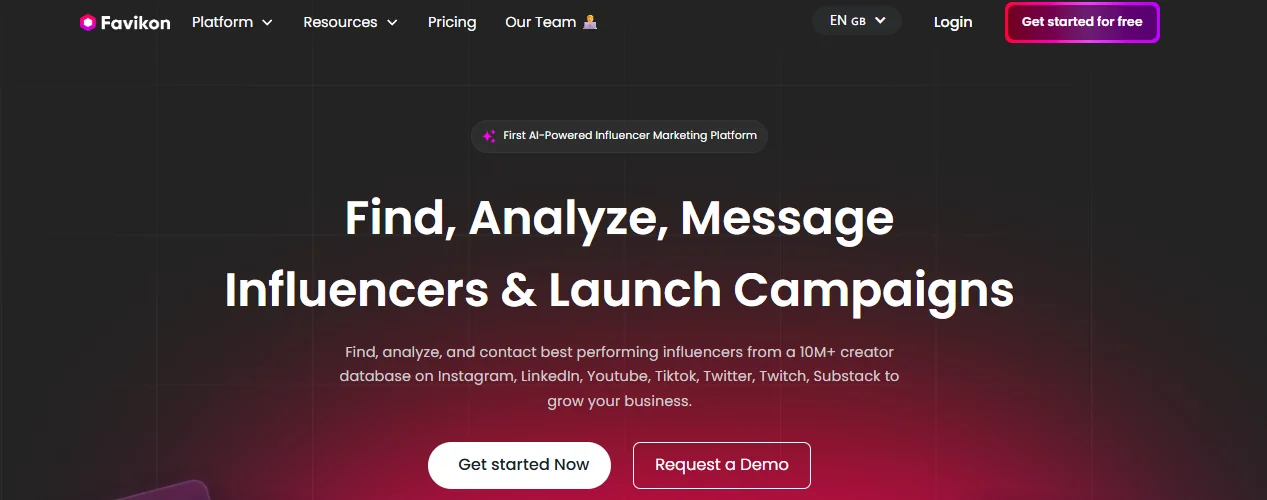
Favikon is highly regarded for its standardized "Favikon Score," which offers a quick, reliable snapshot of an influencer's performance and authenticity. It is a fantastic tool for getting an immediate "pulse check" on a creator without spending hours on a full audit.
Pricing: From ~€199/month.
Best For: Quick, standardized scoring and profile sanity checks.
Why It Stands Out
• Proprietary Favikon Score: Favikon’s scoring system provides a quick snapshot of a creator’s influence, engagement quality, authority, and authenticity across social platforms.
• Fast Creator Evaluation: The platform is designed for speed, allowing marketers to quickly assess whether creators are worth deeper review or outreach.
• Audience Credibility Insights: Favikon analyzes engagement consistency, audience quality, and creator authority signals to help brands avoid suspicious profiles.
• Multi-Platform Creator Rankings: Brands can compare creators within industries, niches, and categories using standardized performance benchmarks.
• Easy-to-Understand Analytics: Unlike highly technical enterprise platforms, Favikon simplifies influencer vetting into clear visual metrics that are accessible to smaller teams.
Pros
• Extremely User-Friendly: Easy for beginners and small teams to navigate.
• Quick Vetting Workflow: Great for rapid creator evaluations.
• Useful Benchmarking System: The Favikon Score helps compare creators efficiently.
• Affordable Compared to Enterprise Tools: More accessible pricing for smaller brands.
• Strong Creator Ranking Features: Helpful for niche influencer discovery.
Cons
• Limited CRM Functionality: Not built for full campaign management.
• Less Detailed Fraud Analysis: Does not offer forensic-level audience auditing.
• Limited Workflow Automation: Campaign operations tools are relatively lightweight.
9. Social Blade
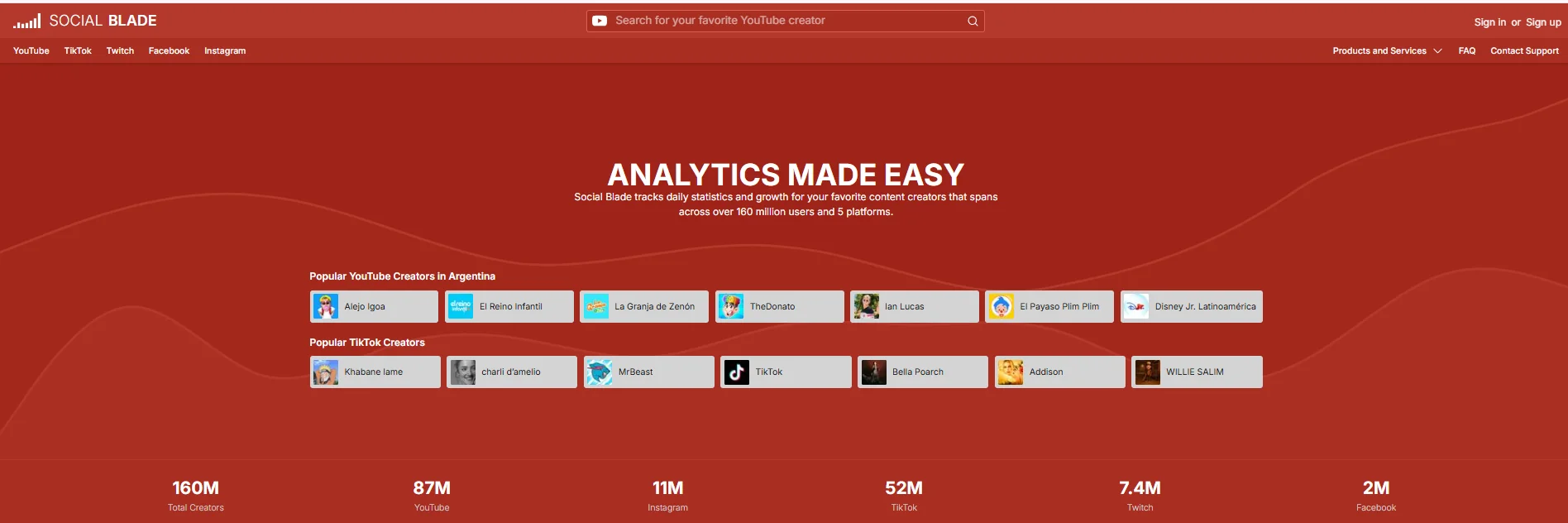
Social Blade remains the most popular free tool for checking the historical growth trends of a social media account. It is essentially a "quick check" tool for spotting sudden, unnatural spikes in followers or engagement that may indicate bot usage.
Pricing: From approximately €199/month.
Best For: Fast, no-login history checks on creator profiles.
Why It Stands Out
• Historical Follower Tracking: Social Blade allows brands to analyze follower growth trends over time, making it easy to identify suspicious spikes that may indicate purchased followers.
• Instant Public Analytics: The platform provides immediate access to creator statistics without requiring extensive onboarding or platform setup.
• Cross-Platform Coverage: Social Blade supports multiple social networks including YouTube, TikTok, Instagram, Twitch, and X (Twitter).
• Quick Authenticity Checks: Marketers can rapidly review engagement patterns and growth consistency before conducting deeper influencer evaluations elsewhere.
• Free Accessibility: One of the platform’s biggest strengths is that it offers useful public creator data without requiring enterprise budgets.
Pros
• Completely Free to Start: Highly accessible for smaller brands and agencies.
• Very Easy to Use: Simple interface with minimal learning curve.
• Helpful Growth Charts: Excellent for spotting suspicious growth behavior.
• Supports Multiple Platforms: Useful for quick creator comparisons.
• Fast Public Data Access: No lengthy setup required.
Cons
• Limited Audience Demographics: Does not provide detailed audience insights.
• No Advanced Fraud Detection: Only useful for surface-level analysis.
• No CRM or Campaign Features: Not designed for influencer relationship management.
• Limited Reporting Tools: Analytics are relatively basic compared to enterprise platforms.
10. Meltwater
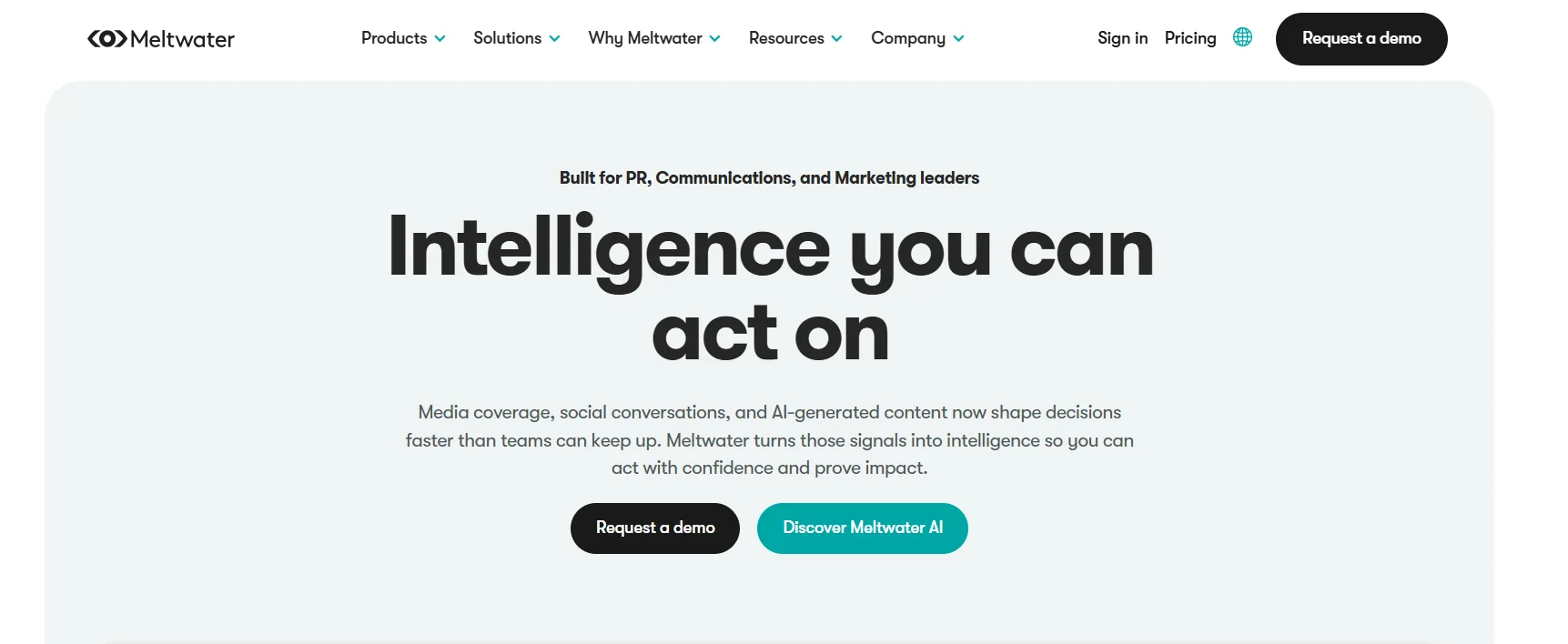
Meltwater is a comprehensive PR and media intelligence suite that includes powerful influencer marketing capabilities. It is best suited for large organizations that need to align their influencer activity with broader PR, brand sentiment, and competitor monitoring efforts.
Pricing: Custom high-tier enterprise pricing.
Best For: Large PR-led teams and organizations.
Why It Stands Out
• Integrated Media Intelligence: Meltwater combines influencer marketing with PR monitoring, news tracking, social listening, and brand sentiment analysis in one platform.
• Brand Safety Monitoring: The platform helps brands evaluate creators based on content sentiment, reputation risks, and public perception trends.
• Audience & Engagement Analysis: Meltwater includes influencer vetting features that analyze audience demographics, engagement quality, and creator reach.
• Social Listening Capabilities: Brands can track conversations around influencers, competitors, and campaigns across multiple digital channels.
• Enterprise Reporting Infrastructure: The platform offers advanced analytics and reporting tools suitable for large corporate communication teams.
Pros
• Strong PR & Influencer Integration: Excellent for organizations combining PR and influencer strategies.
• Advanced Social Listening: Useful for monitoring brand perception and creator sentiment.
• Enterprise Reporting Tools: Provides high-level analytics dashboards.
• Brand Safety Features: Helps reduce reputational risks.
• Multi-Department Use Cases: Supports PR, communications, influencer, and social teams.
Cons
• Extremely Expensive: Pricing is often only suitable for large enterprises.
• Influencer Tools Are Secondary: The platform is broader than purely influencer-focused solutions.
• Complex Platform Structure: Can feel overwhelming for smaller marketing teams.
• Longer Onboarding Process: Implementation and training may take time.
Final Thoughts
The cost of a bad partnership goes far beyond the wasted budget—it affects your brand’s credibility and your audience’s trust. Vetting is no longer a "nice-to-have" security step; it is the fundamental filter that separates high-performing campaigns from failed experiments.
By integrating tools that provide deep-dive audience forensics, you move from "guessing" if a creator is the right fit to "knowing" they have the influence to deliver results.
Whether you are scaling a boutique brand or managing enterprise-level programs, the right vetting technology provides the clarity needed to build a portfolio of authentic, high-impact creators who genuinely move the needle for your business. Book a demo with Influencer Hero to discover how you can take your influencer marketing campaigns to the next level!


.svg)


%201.png)


_logo.svg.png)


