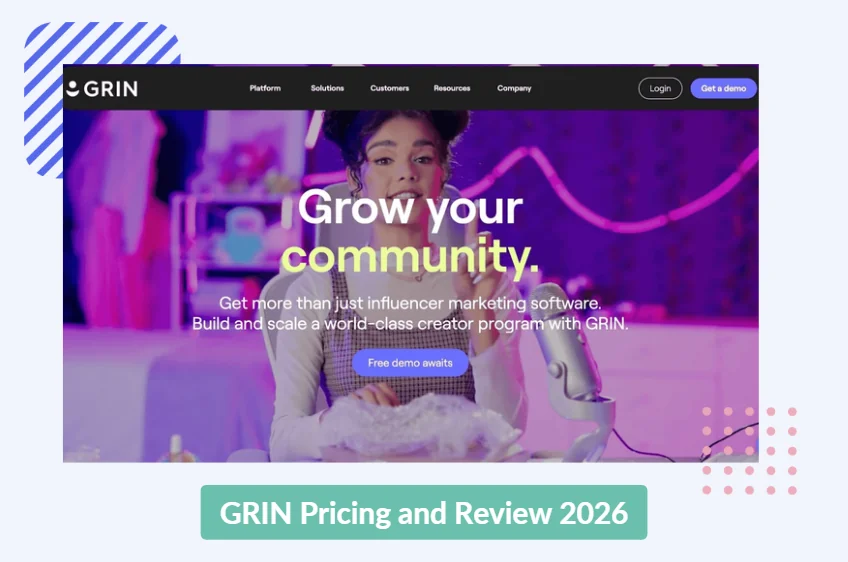
GRIN Preise beginnen jetzt bei $399/Monat — eine große Veränderung gegenüber dem alten Angebotsmodell der Plattform, das $2.000+/Monat bei Jahresverträgen kostete. Ab 2026 bietet GRIN fünf transparente, monatliche Stufen mit einer 30-tägigen kostenlosen Testversion, was eine Evaluierung deutlich einfacher macht als früher.
In dieser Bewertung behandeln wir GRINs Preisstufen, herausragende Funktionen, echtes Nutzer-Feedback und ob es für Ihr Team lohnenswert ist. Wir werden auch konkret aufzeigen, für wen es geeignet ist — denn GRIN ist für eine bestimmte Art von Marke gebaut.
Wenn Sie eine D2C- oder E-Commerce-Marke sind, die ein Influencer-Programm durchführt (oder skaliert) und Ihre Software-Optionen abwägt, ist diese Übersicht genau das Richtige für Sie.
Schnelle Zusammenfassung
Am besten geeignet für: D2C- und E-Commerce-Marken, die Creator-Beziehungen im großen Maßstab verwalten
Startpreis: $399/Monat (Lite-Stufe)
Kostenlose Testversion: Ja — 30 Tage
G2-Bewertung: 4.5/5
Unser Fazit: Tiefe E-Commerce-Integration und starke Relationship-Management-Funktionen, aber preislich und konzeptionell für Marken mit einer dedizierten Person, die das Programm leitet.
Was ist GRIN?
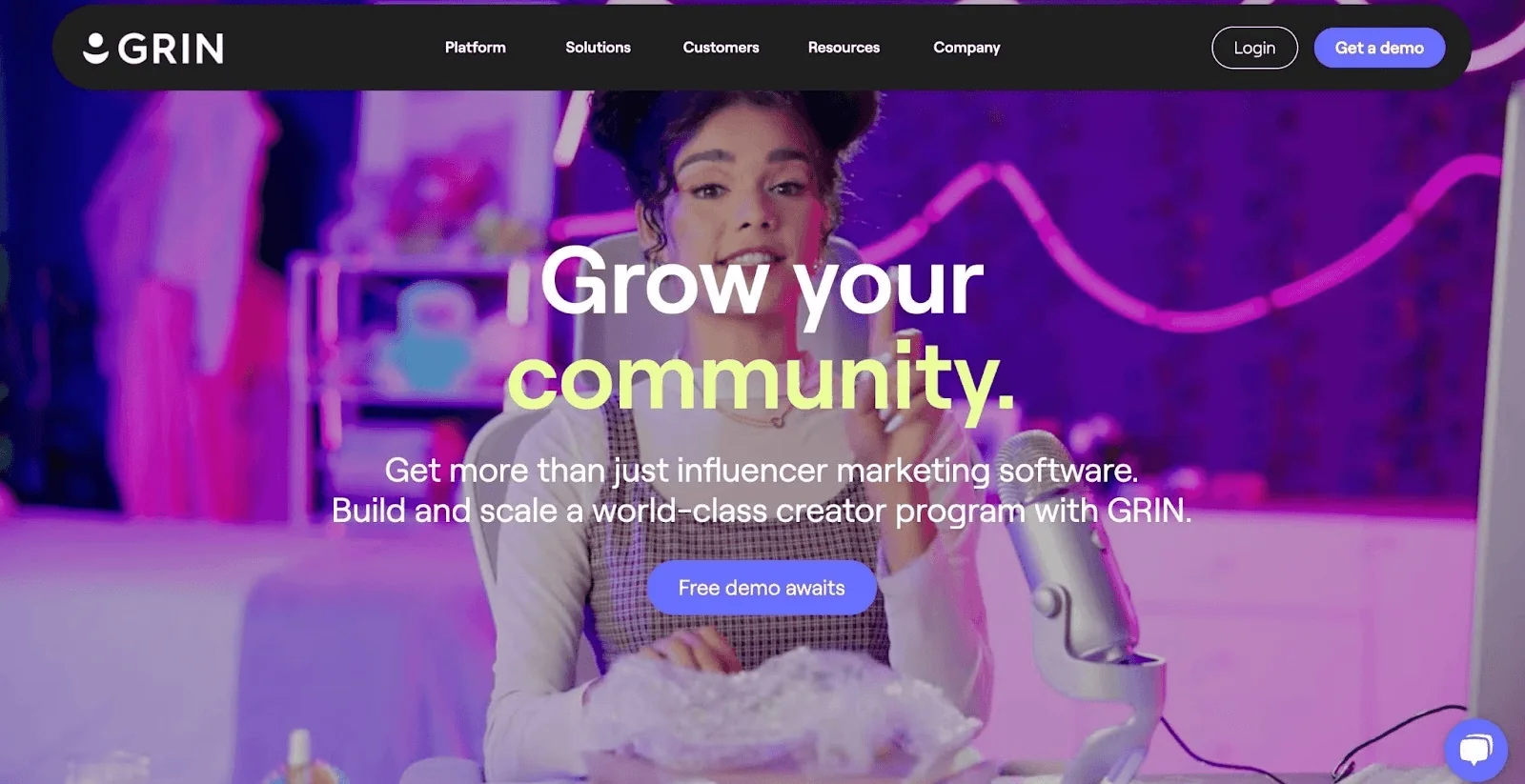
GRIN ist eine All-in-One-Influencer-Marketing- und Creator-Management-Plattform, die speziell für E-Commerce-Marken entwickelt wurde. Das 2014 gegründete und in Sacramento ansässige Unternehmen wird von D2C-Namen wie SKIMS, MVMT und ColourPop verwendet, um umfangreiche Creator-Programme zu betreiben.
Das Wichtigste zu verstehen über GRIN ist, dass es in erster Linie ein Relationship-Management-Tool ist und die Entdeckung an zweiter Stelle steht. Es geht weniger darum, eine Datenbank nach kalten Prospects zu durchforsten, sondern vielmehr darum, Creator zu rekrutieren, zu verwalten, zu bezahlen und zu verfolgen — einschließlich der Gewinnung von Influencern aus Ihrem eigenen bestehenden Kundenstamm. Dieser CRM-ähnliche Ansatz ist das Herzstück des Produkts.
GRIN Schlüsselfunktionen
Tiefe E-Commerce-Integration. Dies ist GRINs größter Unterscheidungsmerkmal. Es verbindet sich nativ mit Shopify, WooCommerce, Magento und BigCommerce für automatisierte Produkt-Seeding, Bestandsverwaltung, Rabattcode-Generierung und Sales-Attribution.
Creator-CRM und Relationship-Management. Jede Interaktion — Outreach, Briefs, Verträge, Inhalte, Zahlung — lebt in einem Creator-Datensatz. Reviewer loben dies durchgehend als die stärkste Workflow der Plattform, besonders für Marken, die laufende, ständig aktive Programme betreiben, anstatt einmalige Kampagnen.
Integrierte E-Mail und Outreach. GRIN integriert sich in Gmail und Outlook, sodass Sie Creator-Kommunikation innerhalb des Tools verwalten können, mit vordefinierten E-Mail-Sequenzen für Outreach und Follow-ups. Es integriert sich auch mit Klaviyo für gebrandete E-Mail-Vorlagen und Slack für Team-Benachrichtigungen.
Creator-Zahlungen und Gifting. GRIN verwaltet Creator-Auszahlungen direkt, einschließlich 1099-Steuerverarbeitung für US-Creator, plus Produkt-Gifting-Logistik, die mit Ihrem Store-Bestand verknüpft ist. Dies beseitigt ein echtes operatives Hindernis für Marken, die Dutzende von bezahlten Partnerschaften verwalten.
Content-Bibliothek und Reporting. Eine zentrale Bibliothek speichert und organisiert Creator-UGC für die Wiederverwendung über Kanäle hinweg, und die Reporting-Suite verfolgt Reichweite, Engagement, Umsatz und ROI pro Kampagne oder Creator. Die tieferen Reporting-Tools — Custom-Report-Builder, erweiterte Affiliate-Attribution — befinden sich auf den höheren Stufen.
GRIN Preisgestaltung
GRINs Preisgestaltung 2026 ist eine echte Verbesserung gegenüber dem alten Modell. Pläne sind jetzt transparent, monatlich zu zahlen und beginnen mit einer 30-tägigen kostenlosen Testversion — keine langfristige Bindung erforderlich, um zu starten.
Kostenlose Testversion — $0 für 30 Tage
Vollzugriff auf die Plattform, Creator-Suche, CRM und Kampagnenverwaltung ohne langfristige Verpflichtung. Eine echte Veränderung von früher, als Sie GRIN nicht ohne ein Verkaufs-Demo-Gespräch sehen konnten.
Lite — $399/Monat
Gebaut für kleine Teams, die ihr erstes strukturiertes Programm starten. Enthält integrierte E-Mail, gebrandete Briefs, Gifting-Management, grundlegendes Reporting und Affiliate-Management, mit Kapazität für etwa 15 aktive Creator und 150 CRM-Kontakte über 4 Benutzer-Logins. Die Haupteinschränkung ist das Volumen — es ist eine Starter-Stufe, keine Skalierungs-Stufe.
Essentials — $699/Monat
Der nächste Schritt fügt eine zentrale Content-Bibliothek, automatisierte Creator-Zahlungen, 1099-Verarbeitung und Integrationen hinzu. Creator- und CRM-Kapazität erweitern sich deutlich hier, was dies zum realistischen Einstiegspunkt für eine Marke macht, die tatsächlich laufende Partnerschaften durchführt.
Growth — $1.149/Monat
Konzipiert für Marken, die Partnerschaften skalieren und den vollständigen Funnel-Impact messen. Fügt den Custom-Report-Builder, Deep Links, erweiterte Affiliate-Attribution und Content-Approval-Workflows hinzu, mit Kapazität für etwa 100 aktive Creator und 1.000 CRM-Kontakte.
Complete — $1.799/Monat
Die Top-Stufe zielt auf große Teams ab, die hochvolumige Programme durchführen. Sie freischaltet API-Zugriff, benutzerdefinierte Team-Rollen und die höchste Creator-Kapazität, plus den vollständigen Funktionssatz.
Ein paar Kostenflags, die es zu wissen gilt.
Creator Capacity ist der eigentliche Hebel — möglicherweise müssen Sie CRM-Volumen als Add-on hinzufügen, wenn Ihr Programm wächst. Der Headline-Preis zeigt also nicht immer das vollständige Bild.
Mehrere höherwertige Funktionen (API, tiefe Affiliate-Attribution, der Report Builder) sind auf den oberen Tiers gesperrt. Und während das neue Modell monatlich ist, beziehen sich einige ältere Bewertungen noch auf schmerzhaft automatisch verlängernde Jahresverträge aus der alten Preisära — lesen Sie also Ihre Vertragsbedingungen.
GRIN – Vorteile & Nachteile
Vorteile
Beste E-Commerce-Integration in der Klasse. Native Shopify-, WooCommerce-, Magento- und BigCommerce-Verbindungen machen Seeding, Code-Generierung und Sales Tracking für D2C-Marken wirklich nahtlos.
Starkes Creator-Beziehungsmanagement. Der CRM-ähnliche Workflow ist durchgehend die am meisten gelobte Funktion für Marken mit laufenden Programmen.
Preisgestaltung ist endlich transparent. Öffentliche Tiers, monatliche Abrechnung und eine 30-Tage-Testversion machen GRIN deutlich einfacher zu evaluieren und einzuführen als das alte Angebots-System.
Ausgezeichneter Kundensupport. Reviewer heben das Onboarding und das Support-Team wiederholt als sachkundig und reaktionsschnell hervor.
Zahlungen und Gifting end-to-end. Integrierte Auszahlungen, 1099-Verarbeitung und Gifting-Logistik sparen echte operative Arbeit.
Nachteile
Steile Lernkurve. Die Plattform ist funktionsreich, aber nicht intuitiv — mehrere Reviewer weisen auf eine echte Onboarding-Phase und eine UI hin, die Zeit zum Lernen braucht.
Benötigt einen dedizierten Besitzer. GRIN belohnt Marken, die jemanden haben, der das Programm in Vollzeit betreibt. Kleine Teams ohne diese Person neigen dazu, es zu unternutzen.
Discovery ist schwächer als dedizierte Tools. Es ist beziehungsorientiert, und einige Nutzer weisen auf Datenqualitätsprobleme und schwächere TikTok-Discovery hin.
Begrenzte Plattformabdeckung. Nur Instagram, TikTok und YouTube — kein Pinterest, X oder Twitch.
Was GRIN-Nutzer sagen
GRIN hält 4,5/5 auf G2 und ähnlich starke Bewertungen auf Capterra, wo die Stimmung stark positiv ausfällt. Das konsistente Lob konzentriert sich auf zwei Dinge: die Shopify-Integration und das Customer-Success-Team.
Ein G2-Reviewer merkte an, dass „die Verbindung zu Shopify es uns viel leichter macht, unsere Produkte an die Content Creator zu verfolgen und zu liefern." Der Beziehungsmanagement-Workflow und die Hilfsbereitschaft des GRIN-Onboarding-Teams werden immer wieder erwähnt.
Die Frustrationen sind ebenso konsistent. Ein Capterra-Reviewer wies auf „eine zu überwindende Lernkurve" hin und fügte hinzu, dass die Einrichtung von Affiliate-Links und Codes „nicht so nahtlos ist, wie man hoffen könnte." In Foren sind die wiederkehrenden Themen die UI-Komplexität, verwirrende Zahlungsverfolgung und — aus der älteren Vertragsära — Frustration über automatisch verlängernde Jahresverträge.
Für wen ist GRIN am besten geeignet?
GRIN ist wirklich stark für etablierte D2C- und E-Commerce-Marken in Kategorien wie Mode, Beauty, Gesundheit und Wellness, Lebensmittel und Getränke sowie Tech — Marken, die physische Produkte über Shopify oder WooCommerce verkaufen und laufende Creator-Programme betreiben.
Wenn Sie einen dedizierten Influencer- oder Creator-Manager haben und Dutzende laufender Beziehungen mit echtem Product Seeding und Attribution-Anforderungen verwalten, passt GRIN gut. Die Essentials- und Growth-Tiers ($699–$1.149/Monat) sind für dieses Profil ideal.
Wo es nicht funktioniert: kleine Teams ohne dedizierten Besitzer, Marken, die hauptsächlich Creator-Discovery benötigen (ein dediziertes Discovery-Tool leistet mehr für weniger), und alle, deren Programm auf Pinterest, X oder Twitch läuft.
Lohnt sich GRIN?
Für die richtige Marke, ja. Wenn Sie ein E-Commerce-Unternehmen mit einem laufenden Creator-Programm mit ernsthaften Seeding- und Attribution-Anforderungen sind — und jemanden haben, der es wirklich fährt — sind GRINs E-Commerce-Tiefe und Beziehungsmanagement schwer zu schlagen. Die neue transparente Preisgestaltung macht es auch viel einfacher, sich danach zu verpflichten.
Wo es sich nicht lohnt, ist an den Rändern. Wenn Sie ein kleines Team sind, das hofft, dass die Software das Programm für Sie läuft, oder Sie hauptsächlich Discovery brauchen, oder Ihre Kanäle außerhalb von Instagram/TikTok/YouTube liegen, wird GRIN sich anfühlen wie die Bezahlung für Power, die Sie nicht nutzen. Die Lernkurve ist real, und es setzt einen dedizierten Betreiber voraus.
Abschließende Gedanken
GRIN ist eine starke, reife Plattform mit der besten E-Commerce-Integration in der Kategorie und einem Beziehungsmanagement-Workflow, den Marken wirklich mögen. Der Schritt 2026 zu transparenter, monatlicher Preisgestaltung ab $399 behebt seine größte historische Beschwerde. Die Haupteinschränkungen sind die Lernkurve, die Notwendigkeit eines dedizierten Besitzers und die auf die großen drei beschränkte Plattformabdeckung.
Wenn der Kampagnenmanagement-Overhead der Teil ist, den Sie am liebsten komplett überspringen möchten, gibt es einen anderen Ansatz, der es wert ist, berücksichtigt zu werden. Creator Hero dreht das Modell um: Statt dass Sie Creator akquirieren, briefen und verwalten, verbinden sich Marken mit Creator, die ihre Produkte über provisionsbasierte Storefronts verkaufen — damit machen die Creator das Verkaufen und Sie führen nicht tagtäglich ein vollständiges Programm.
Lassen Sie die Creator für Sie verkaufen, damit Sie sich auf die Entwicklung neuer Produkte und die Skalierung Ihrer Marke konzentrieren können. Entdecken Sie Creator Hero für Marken oderbuchen Sie eine kostenlose Demo um zu sehen, wie es funktioniert.
FAQs
Was kostet GRIN?
GRIN-Pläne beginnen bei $399/month (Lite) und gehen bis zu $1,799/month (Complete), mit Essentials für $699 und Growth für $1,149. Die Abrechnung erfolgt monatlich mit 30-tägiger kostenloser Testphase.
Bietet GRIN eine kostenlose Testphase an?
Ja. GRIN bietet eine 30-tägige kostenlose Testphase mit Zugang zur Plattform, Creator-Suche und CRM — eine kürzliche Änderung gegenüber dem alten Demo-only-Modell.
Lohnt sich GRIN für kleine Marken?
Meist nicht, es sei denn, du hast eine dedizierte Person für das Programm. Kleine Teams ohne einen Influencer Manager nutzen die Plattform tendenziell unteraus und könnten mit einem einfacheren, günstigeren Tool besser bedient sein.
Wofür ist GRIN am besten geeignet?
GRIN ist am besten für etablierte D2C- und E-Commerce-Marken geeignet, die laufende Creator-Beziehungen verwalten, besonders solche auf Shopify oder WooCommerce, die Produkt-Seeding und Umsatzzuordnung benötigen.
Welche gute Alternative gibt es zu GRIN?
Wenn du Creator-gesteuerte Verkäufe ohne den Overhead des Kampagnenmanagements möchtest, ist das provisionsbasierte Storefront-Modell von Creator Hero eine weniger aufwändige Alternative — Creator verkaufen deine Produkte direkt, statt dass du ein umfassendes Programm verwaltest.
Related Posts
The incredible power of team collaboration is evident in the remarkable outcomes it can achieve
Influur-Preisgestaltung erklärt: keine Markenabonnements, Pay-as-you-go-Gebühren, echte Vor- und Nachteile und unser Urteil, ob dieser Creator-Marketplace 2026 sein Geld wert ist.
Tagbox wirkt mit $19/Monat günstig — doch das Feature, das Marken wirklich brauchen, versteckt sich hinter einem Enterprise-Angebot. Hier ist die vollständige Preisaufschlüsselung und unser ehrliches Urteil.
Word on the Block erhebt keine Abonnementgebühr – doch auf der Preisseite wird die Gebühr nie offengelegt. Hier erfahren Sie, was das Modell Marken tatsächlich kostet, was enthalten ist, und unser ehrliches Fazit.
Build your own business without having to manage all the operational aspects of an e-commerce. Focus on creating content, driving sales and maximise your earnings!


.svg)


%201.png)



_logo.svg.png)


