Precios y Reseña de Lolly 2026: Características, Costos y Veredicto
Los precios de Lolly no están en una página de precios pública — la plataforma funciona como un servicio gestionado a aproximadamente $1,000/mes, lo que te proporciona 30–40 influencers verificados e interesados entregados cada mes. No hay un nivel de autoservicio disponible para registrarse en este momento; ese lado del producto está en pausa mientras se reconstruye una versión impulsada por IA.
En esta reseña, cubrimos los precios de Lolly, características destacadas, comentarios reales de usuarios y si vale la pena para tu equipo. Seremos honesto sobre dónde destaca y dónde deja brechas.
Si eres una marca que principalmente lucha con encontrar buenos influencers y lograr que digan que sí — y prefieres dejar eso en manos de terceros en lugar de construirlo internamente — este desglose es para ti.
Resumen Rápido
Mejor para: Marcas pequeñas a medianas que desean obtener fuentes de influencers llave en mano sin gestionar el outreach ellas mismas
Precio de inicio: ~$1,000/mes (servicio gestionado; sin plan de autoservicio público)
Prueba gratuita: No
Calificación en G2: 4.5/5
Nuestro veredicto: Fuerte en la parte difícil — obtención de fuentes y entrega de creadores interesados — pero escaso en seguimiento, análisis y control de autoservicio.
¿Qué es Lolly?
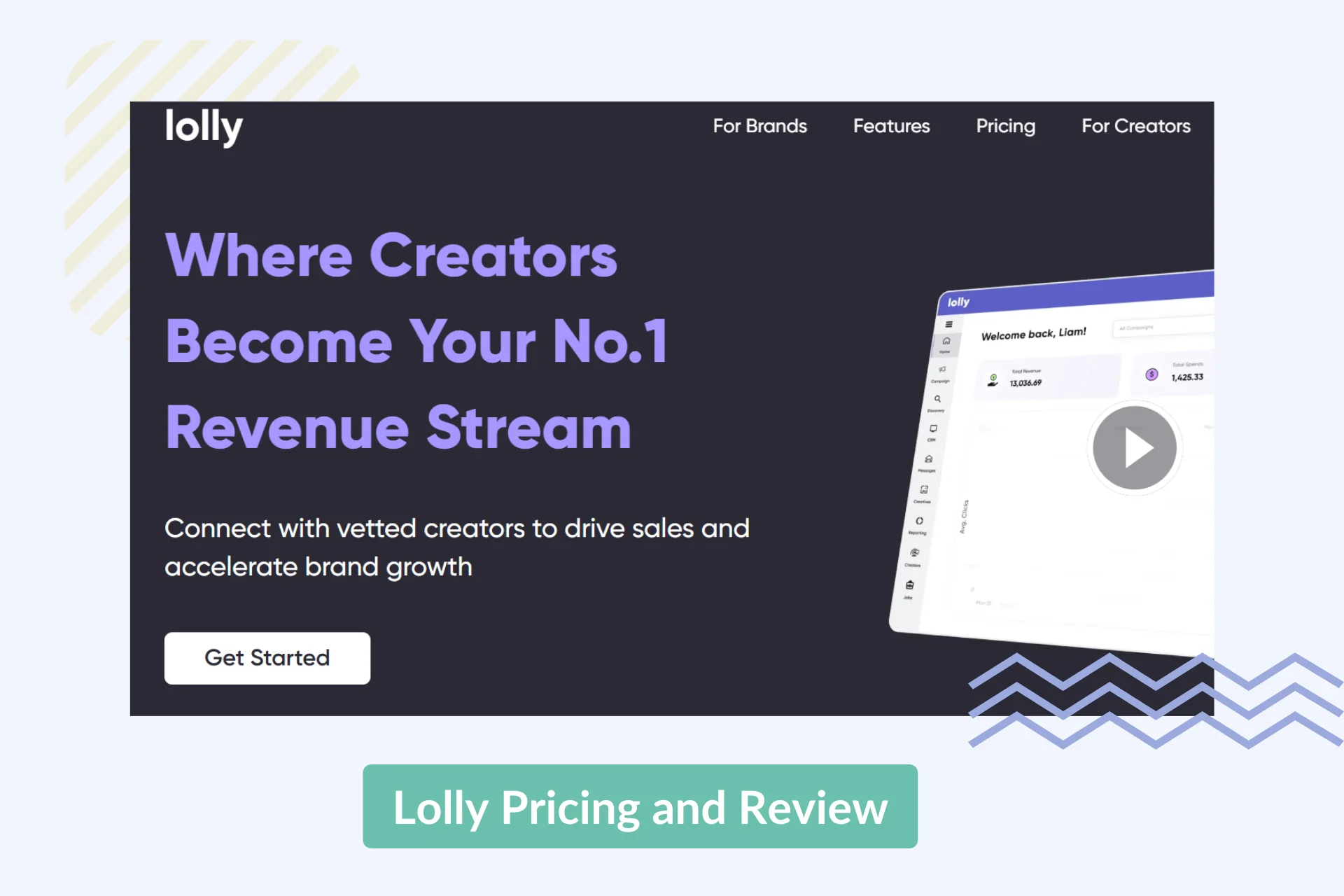
Lolly es una empresa de marketing de influencers que ayuda a las marcas a conectar con creadores verificados en Instagram, TikTok y YouTube, con una inclinación notable hacia TikTok. Fundada en 2021 y con sede en Los Ángeles, extrae de un gran grupo de perfiles de creadores para hacer coincidir marcas con influencers que se ajusten a su audiencia.
La forma en que funciona Lolly hoy es diferente de la mayoría del software en esta lista. En lugar de venderte un panel de control y dejarte ejecutar el descubrimiento por tu cuenta, el equipo de Lolly hace el trabajo pesado — obteniendo fuentes de creadores, ejecutando outreach y entregándote una lista de influencers que ya han levantado la mano.
El enfoque de TikTok importa cuando estás planeando dónde gastar. Si tu programa abarca múltiples plataformas, vale la pena reflexionar sobre cómo se desempeña cada canal antes de que te comprometas — nuestro desglose deacuerdos de marca en TikTok versus Instagram es un buen punto de partida.
Características Clave de Lolly
Entrega de influencers llave en mano. Este es el núcleo del producto. El equipo de Lolly obtiene fuentes y pre-verifica a creadores, luego entrega aproximadamente 10–15 influencers interesados por semana para que tu equipo solo maneje la negociación.
Descubrimiento de influencers en IG, TikTok y YouTube. Lolly combina datos propios con perfiles públicos para descubrir creadores por nicho, ubicación y tamaño de audiencia. La cobertura es real, pero se inclina hacia TikTok primero, así que marcas multicanal pueden notar opciones más delgadas en otros lugares.
Outreach integrado. La plataforma automatiza mensajes directos y correos electrónicos a escala e indica respuestas positivas para el seguimiento. Esto es lo que permite a un equipo pequeño sobresalir en volumen.
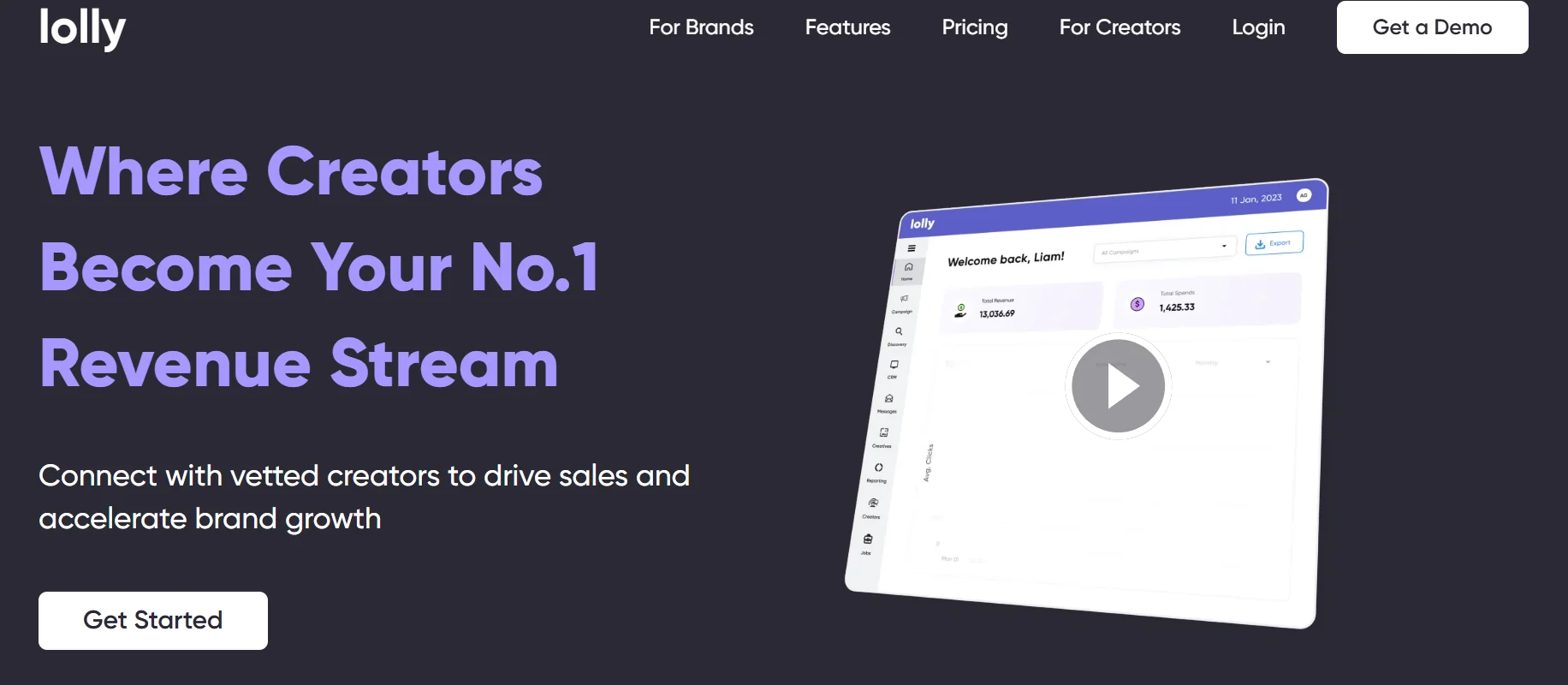
CRM visual. Las listas de influencers y etapas de campaña se organizan en un panel de estilo chat tipo Trello. Mantiene el seguimiento y las aprobaciones simples, aunque es más ligero en comparación con un CRM de influencers completo.
Modelos de colaboración flexibles. Puedes ejecutar regalos, acuerdos de comisión/afiliado o pago directo dependiendo de tu estrategia. La flexibilidad es genuinamente útil — pero los contratos y los derechos de uso se manejan manualmente.
Precios de Lolly
Servicio de Agencia Gestionada — ~$1,000/mes
Esta es la oferta en vivo. Por aproximadamente $1,000/mes, el equipo de Lolly entrega 30–40 influencers calificados e interesados por mes basado en tu brief, más un gerente de cuenta dedicado que se comunica por correo electrónico y WhatsApp. Es un costo plano y predecible — atractivo si tu principal cuello de botella es la obtención de fuentes, pero estás pagando por entrega, no un conjunto de gestión de campañas completo.
Plataforma de Autoservicio — actualmente en pausa
El producto de autoservicio de Lolly está fuera de línea mientras la empresa lo reconstruye con una capa de descubrimiento y outreach impulsada por IA. Se espera que el relanzamiento tenga un precio por debajo del modelo de agencia, pero no hay una fecha pública confirmada o un número confirmado todavía, así que no debería ser parte de una decisión que estés tomando hoy.
Ten cuidado con la sobrecarga manual.
El precio de venta es limpio, pero el trabajo que no se incluye se acumula. La negociación, contratos y derechos de uso son todos manuales, y no hay análisis de ventas de afiliados nativos — así que probablemente necesitarás agregar herramientas externas para medir realmente el ROI.
Pros y Contras de Lolly
Pros
Resuelve la parte más difícil del marketing de influencers. Encontrar creadores y lograr que respondan es donde la mayoría de los programas se estancan. Lolly entrega influencers pre-validados e interesados, lo cual es genuinamente valioso para un equipo sobrecargado.
Costo predecible y asequible. Aproximadamente $1,000/mes por 30–40 influencers es fácil de presupuestar, especialmente comparado con herramientas empresariales que cobran $25K+ al año.
Soporte personalizado. Un gestor de cuenta dedicado accesible por WhatsApp y correo electrónico es un nivel de acceso que la mayoría de plataformas de autoservicio no ofrecen.
Estructuras de trato flexibles. Regalos, comisión y pago directo están todos soportados, así que no estás limitado a un modelo de colaboración único.
Contras
Seguimiento y reportes débiles. Los análisis dentro de la plataforma son escasos, y Lolly mismo dirige a las marcas hacia herramientas externas para medición más profunda. Si la atribución de ventas te importa, es una brecha real.
Sin opción de autoservicio ahora. La plataforma que usarías para ejecutar cosas por ti mismo está pausada, así que estás comprometido al modelo gestionado hasta que llegue el relanzamiento de IA.
Contratos manuales y derechos de uso. Negociación, acuerdos y derechos de contenido se manejan a mano, lo que ralentiza las cosas conforme escales.
Integraciones limitadas sin análisis de afiliados nativo. No hay seguimiento de eCommerce o ventas por afiliados integrado, así que conectar la actividad de influencers con ingresos requiere configuración adicional.
Una buena parte del valor aquí depende de la calidad del creador — el argumento de venta de Lolly es influencers pre-validados, así que vale la pena confirmar que esas audiencias son reales y no están infladas conseguidores falsos antes de que apruebes una lista.
Lo Que Dicen los Usuarios de Lolly
Lolly tiene 4.5/5 en G2, y los elogios son consistentes: facilidad de uso, tiempos de respuesta rápidos y un equipo atento. Porque el servicio es gestionado, gran parte de lo que los usuarios valoran viene de las personas, no solo del producto.
Un revisor en G2 señaló que el equipo "superó nuestras expectativas" en engagement y cumplió plazos agresivos de contenido mientras entregaba millones de impresiones. Esa ejecución personalizada e impulsada por plazos es un tema recurrente en reseñas positivas.
La advertencia más común es madurez. Varios usuarios describen a Lolly como aún en etapa temprana, con espacio para crecer en características y profundidad — justo, dado que la plataforma de autoservicio está en medio de una reconstrucción. El mensaje clave: la gente califica el servicio y soporte altamente, pero pocos dependen de él para análisis sofisticados dentro de la plataforma.
¿Para Quién Es Mejor Lolly?
Lolly es para marcas cuyo mayor dolor es el sourcing — sabes que el marketing de influencers funciona, pero no tienes tiempo ni personal para encontrar creadores y perseguir respuestas. Para un pequeño equipo DTC o eCommerce ejecutando campañas lideradas por TikTok con presupuesto modesto, el modelo gestionado elimina el trabajo más tedioso por una tarifa predecible.
Comienza a quedarse corto cuando tus necesidades van más allá del descubrimiento. Si quieres atribución de ventas detallada, seguimiento automático de afiliados, reportes multicanal o control personalizado de tu propio pipeline, la configuración actual solo gestionada te parecerá limitante.
En términos presupuestarios, Lolly tiene sentido en el rango de aproximadamente $1,000/mes donde estás efectivamente comprando un servicio de sourcing. Si estás decidiendo entre una plataforma de software y un roster siempre activo de creadores, ayuda aclarar primero tu enfoque general — nuestra guía sobre marketing de influencers versusembajadores de marca vale la pena leer antes de que elijas una herramienta.
¿Vale la Pena Lolly?
Si tu cuello de botella es encontrar y conseguir creadores interesados, Lolly vale la pena. A aproximadamente $1,000/mes por 30–40 influencers validados más un gestor de cuenta responsivo, es una forma rentable de mantener un pipeline lleno sin contratar para ello. Para equipos pequeños que valoran la velocidad y la simplicidad sobre dashboards, ese intercambio es razonable.
Si necesitas medir y escalar, es más difícil de justificar por sí solo. Los análisis escasos, contratos manuales y la plataforma de autoservicio pausada significan que estarás integrando otras herramientas para seguir ROI y ejecutar las cosas a tu manera. Las marcas que quieren control de extremo a extremo o reportes profundos deberían seguir buscando — o emparejar Lolly con software que cierre esas brechas.
Alternativas a Lolly
Si el modelo solo gestionado de Lolly o los análisis escasos no son el ajuste correcto, aquí hay cinco alternativas que vale la pena mirar — cada una cierra una brecha diferente.
Modash
Una plataforma centrada en descubrimiento con una de las bases de datos de creadores más grandes (350M+ perfiles) en Instagram, TikTok y YouTube. Los precios comienzan en $199/mes (anual) con una prueba gratuita de 14 días, e incluye validación de calidad de audiencia fuerte más una integración Shopify nativa. Elige esto sobre Lolly si quieres ejecutar descubrimiento y alcance tú mismo a un precio de autoservicio transparente.
Influencer Hero
Una plataforma all-in-one de marketing de influencers que cubre descubrimiento, CRM de influencers, alcance automatizado, gestión de campañas, seguimiento de afiliados, pagos e informes en ocho plataformas. El precio es público — Standard a $649/mes, Pro a $1,049/mes y Business a $2,490/mes — así que no hay un muro de demostración para obtener una cotización. Elige esta opción en lugar de Lolly cuando quieras ejecutar todo el programa de principio a fin en un solo lugar, en lugar de comprar sourcing como servicio e integrar herramientas de seguimiento después.
Social Cat
La opción más similar espiritualmente a Lolly para marcas pequeñas: una plataforma asequible con estilo gestionado, construida alrededor del emparejamiento de marcas con microinfluencers, a partir de $99/mes con prueba gratuita de 7 días. Se enfoca en colaboraciones con productos de regalo, lo que la hace rentable para pruebas en etapas tempranas. Elige Social Cat en lugar de Lolly si quieres un modelo de sourcing similar con bajo esfuerzo a un precio de entrada más bajo. Para el panorama completo aquí, este resumen dealternativas a Social Cat traza el mercado.
Upfluence
Una herramienta all-in-one premium con integraciones profundas de Shopify y Amazon y atribución directa de ventas, que cuesta alrededor de $1,276/mes en un contrato anual. Está construida para marcas que necesitan seguimiento de ROI integrado. Elige Upfluence en lugar de Lolly cuando medir el ingreso por creador sea imprescindible y puedas comprometerte con un plan anual.
GRIN
Una plataforma full-stack para marcas DTC y eCommerce, que cubre descubrimiento, gestión de UGC, seguimiento de afiliados y pagos, comenzando cerca de $25,000/año en un contrato de 12 meses. Es una inversión más importante dirigida a programas establecidos. Elige GRIN en lugar de Lolly si has superado el sourcing como servicio y necesitas un flujo de trabajo de nivel empresarial con integraciones profundas de eCommerce.
Conclusiones Finales
Lolly hace bien una cosa: elimina la parte más dolorosa del marketing de influencers — encontrar creadores e interesarlos — por una tarifa mensual predecible. La contrapartida es todo lo demás, desde análisis hasta contratos hasta control de autoservicio, que actualmente queda fuera de la plataforma.
Si prefieres saltarte completamente la gestión de campañas y dejar que los creadores impulsen las ventas por ti, Creator Hero es un modelo diferente que vale la pena considerar. En lugar de pagar para encontrar influencers y luego gestionar el alcance, las marcas acceden a un directorio de 55,000+ creadores que venden productos a través de sus propias tiendas basadas en comisiones — las comisiones van del 20–50%, sin gasto previo en campañas.
El servicio gestionado de Lolly cuesta aproximadamente $1,000/mes e incluye 30–40 influencers verificados e interesados entregados mensualmente más un gestor de cuenta dedicado. No hay precios de autoservicio públicos en este momento, ya que esa plataforma se está reconstruyendo.
¿Lolly tiene prueba gratuita?
No. Lolly funciona actualmente como un servicio gestionado en lugar de una herramienta de autoservicio, por lo que no hay prueba gratuita — comenzarías con el compromiso de agencia mensual.
¿Vale la pena Lolly para marcas pequeñas?
Puede serlo, si tu principal desafío es encontrar influencers y deseas que se encarguen de ello por una tarifa fija. Las marcas pequeñas que también necesitan un seguimiento detallado del ROI o control de autoservicio pueden encontrarlo demasiado limitado por sí solo.
¿Para qué es mejor Lolly?
Descubrimiento y contacto de influencers llave en mano, especialmente para campañas lideradas por TikTok. Es más fuerte cuando encontrar y conseguir creadores interesados es tu cuello de botella más importante.
¿Cuál es una buena alternativa a Lolly?
Para descubrimiento de autoservicio a un precio transparente, Modash es una excelente opción; para un programa todo en uno que ejecutes de principio a fin, Influencer Hero cubre descubrimiento hasta pagos en una sola plataforma.
Related Posts
The incredible power of team collaboration is evident in the remarkable outcomes it can achieve
Explicamos los precios de Influur: sin suscripción de marca, tarifas por uso, ventajas y desventajas reales, y nuestro veredicto sobre si este marketplace de creadores vale la pena en 2026.
Tagbox parece económico a $19/mes — pero la función que la mayoría de las marcas realmente necesita está oculta detrás de una cotización Enterprise. Aquí está el desglose completo de precios y nuestro veredicto honesto.
Word on the Block no cobra suscripción, pero su página de precios nunca te dice cuál es la comisión. Aquí te mostramos cuánto cuesta realmente para las marcas, qué incluye y nuestro veredicto sincero.
Build your own business without having to manage all the operational aspects of an e-commerce. Focus on creating content, driving sales and maximise your earnings!


.svg)


%201.png)



_logo.svg.png)


