Precios y reseña de ShopMy 2026: Características, costos y veredicto
Los precios de ShopMy comienzan en $399/mes para acceso de afiliados de nivel inicial y llegan hasta $2,799+/mes para acceso completo a la plataforma — con comisiones de transacción superpuestas. La mayoría de los planes por encima del punto de entrada se cotizan bajo demanda, así que el precio real depende de qué características actives.
En esta reseña, cubrimos los niveles de precios de ShopMy, características destacadas, feedback de usuarios reales, y si vale la pena para tu marca. También destacamos dónde realmente brilla (programas de afiliados de moda y belleza) y dónde empieza a tener limitaciones (flujos de trabajo de campañas complejos y categorías de alto AOV).
Si eres una marca DTC o agencia evaluando plataformas de afiliados y tiendas online, e intentas entender dónde encaja ShopMy, este desglose es para ti.
Ideal para: Marcas de moda, belleza y estilo de vida que ejecutan programas de afiliados y gifting con micro y nano creadores
Precio inicial: $399/mes (acceso completo $2,799+/mes, mayormente bajo cotización)
Prueba gratuita: Sin prueba gratuita pública — el acceso de marca se realiza a través de una demostración y proceso de ventas
Calificación en G2: Escasa — ShopMy tiene muy pocas reseñas de marcas en G2; la mayoría del sentimiento público se encuentra en Reddit, Medium y blogs de creadores
Nuestro veredicto: Motor de ventas impulsado por afiliados excelente para marcas de belleza y moda, pero limitado en gestión avanzada de campañas y débil fuera de sus verticales principales
¿Qué es ShopMy?
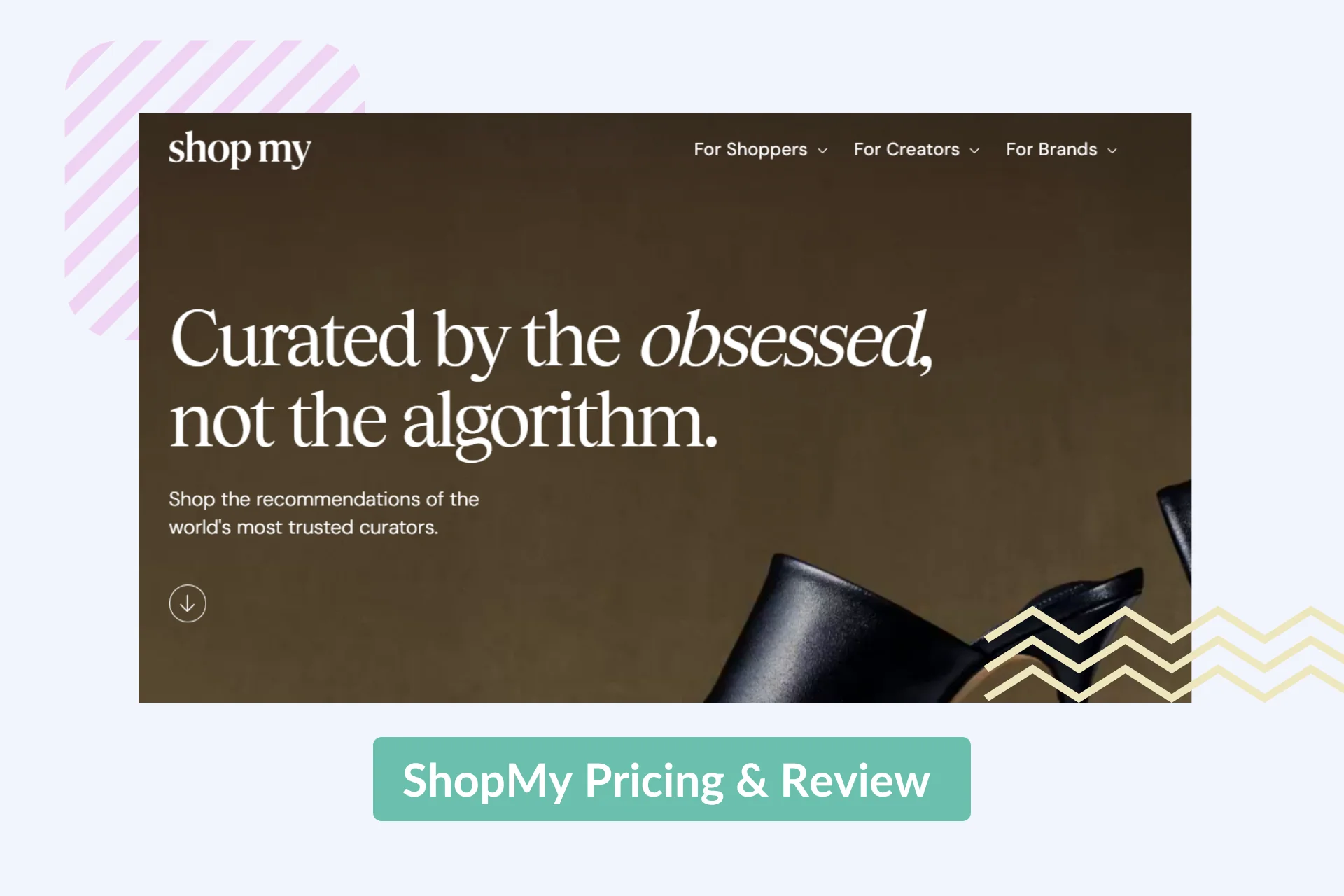
ShopMy es una plataforma de comercio de creadores con sede en Nueva York, fundada en 2020, que conecta marcas con creadores a través de tiendas de afiliados, gifting automatizado y campañas de desempeño. Recaudó una Ronda B de $77.5M a principios de 2025 liderada por Bessemer y Bain Capital Ventures, alcanzando una valuación reportada de $1.5B, y ahora sirve a alrededor de 200,000 creadores y 1,200 socios de marca generando más de $1B en GMV anual.
La plataforma compite en el mismo segmento que LTK: los creadores construyen tiendas comprables y ganan comisiones, mientras que las marcas obtienen herramientas de descubrimiento, gifting y atribución de ventas. Su reputación se construyó sobre moda, belleza y cuidado de la piel — aunque está avanzando activamente en categorías de bienestar, alimentos y bebidas, fitness y familia.
Características principales de ShopMy
• Descubrimiento y evaluación de creadores. Las marcas pueden filtrar los ~200,000 creadores evaluados de ShopMy por categoría, valor de pedido promedio y retorno de inversión publicitaria anterior. La base de datos se inclina fuertemente hacia moda, belleza y estilo de vida, y hacia creadores micro y nano en lugar de mega-influencers.
• Lookbooks (gifting automatizado). Esta es una de las herramientas más elogiadas de ShopMy. Las marcas construyen campañas de gifting que se sincronizan directamente con el inventario de Shopify y colocan automáticamente pedidos de $0, y los creadores eligen los productos que se ajustan a su estética. Generó más de $10M en volumen de gifting dentro de seis meses del lanzamiento.
• Oportunidades (campañas de desempeño). Las marcas publican campañas de tarifa fija donde los creadores ganan por acciones específicas, con ShopMy reportando aproximadamente 3.3x ROAS y 53% menor costo por clic que los anuncios de Instagram. La desventaja: ShopMy cobra una comisión de plataforma del 15% sobre el presupuesto total de campaña que depositas.
• Transparencia de comisiones a nivel de SKU y atribución. Las marcas ven exactamente qué creador generó qué venta, además de clics, volumen de pedidos y tasas de comisión hasta el producto individual. Esta atribución de dólar directo es la característica que genuinamente separa a ShopMy de las métricas de vanidad basadas en conteo de seguidores.
• Feed de menciones en redes sociales. ShopMy muestra menciones de creadores orgánicos en Instagram, TikTok y YouTube — incluyendo Stories vencidas — para que las marcas identifiquen creadores que ya hablan sobre ellas. Es un motor útil de leads calientes para alcance.
Precios de ShopMy
Esto es lo que las señales de precios públicos nos dicen.
Nivel inicial — $399/mes
Este es el mínimo para marcas que desean acceso de afiliados a la red de creadores de ShopMy y seguimiento básico de desempeño. Es asequible en relación con herramientas empresariales, que es una gran parte del pitch de ShopMy a marcas DTC en crecimiento. Ten en cuenta que esto es una caída significativa del punto de partida de $999 que ShopMy cotizaba en 2024 — han reestructurado para bajar la barrera de entrada.
Acceso completo a la plataforma — $2,799+/mes
El nivel superior desbloquea el conjunto completo: análisis avanzados, herramientas de descubrimiento y gestión de campañas. Todo lo que está entre el piso de $399 y este techo se cotiza bajo demanda y depende de qué características actives, así que espera una llamada de ventas en lugar de una lista de precios.
El ingreso promedio por cliente de marca directa fue alrededor de $67,000/año en 2025, lo que te dice que la mayoría de las marcas pagadoras se encuentran bien por encima del nivel inicial.
Marca las comisiones de transacción — este es el costo oculto.
La suscripción es solo la mitad de la factura. ShopMy cobra hasta 2.9% del GMV en ventas de afiliados de asociaciones de marca directa, y alrededor de 3.9% en ventas de subafiliados enrutadas a través de redes de terceros como Rakuten y CJ.
Lookbooks gifting lleva comisiones de facilitación basadas en el valor de los productos enviados, y las campañas de Opportunities añaden esa tarifa de plataforma del 15% encima. Así que tu costo real es suscripción + comisiones por transacción + comisiones por campaña — modela los tres antes de comprometerte.
Ventajas y desventajas de ShopMy
Ventajas
• La mejor base de datos de creadores de moda y belleza del mercado. Si eres una marca de belleza, skincare, o moda, aquí es donde la red de 200,000 creadores de ShopMy es más profunda y relevante.
• Atribución de ventas genuinamente sólida. La visibilidad de comisiones a nivel de SKU y el seguimiento directo en dólares hacen que sea fácil demostrar el ROI — una debilidad real de la mayoría de herramientas de influencers.
• Gifting automatizado que realmente funciona. La sincronización con Shopify de Lookbooks y los pedidos automáticos de $0 eliminan la mayor parte del trabajo manual de seeding.
• Punto de entrada asequible. $399/mes reduce significativamente plataformas empresariales como Traackr ($32,500+/año).
• Cobertura sólida de micro y nano creadores. Sin restricciones de seguidores significa acceso a creadores más pequeños y de alta confianza que impulsan conversiones auténticas.
Desventajas
• Ligera en automatización avanzada de campañas. En comparación con Influencer Hero o CreatorIQ, ShopMy carece de flujos de aprobación multi-stakeholder y orquestación que los programas grandes o gestionados por agencias necesitan.
• Débil fuera de sus verticales principales. El modelo está optimizado para compras impulsivas menores a $200 y categorías orientadas a mujeres — lucha con lujo, muebles para el hogar, y productos de AOV alto con ciclos de consideración largos.
• Precios opacos e inconsistentes. La brecha de $399 a $2,799+ es basada en presupuesto sin opciones públicas intermedias, así que no puedes evaluar fácilmente si es adecuado antes de una llamada de ventas.
• Las comisiones por transacción se suman encima. La suscripción es solo la base; las comisiones por GMV, gifting, y campaña se acumulan.
• Las quejas sobre pagos a creadores afectan tu roster. Algunos creadores reportan comisiones retrasadas o faltantes y falta de transparencia en pagos — vale la pena saberlo, ya que el sentimiento de los creadores afecta quién permanece activo en tus programas.
Lo que dicen los usuarios de ShopMy
ShopMy tiene sorprendentemente poca presencia del lado de las marcas en G2 y Capterra — se reseña mucho más por creadores en Reddit, Medium, y blogs de creadores que por equipos de marketing en sitios de reseñas B2B. Eso es una señal en sí mismo: es un producto amado por creadores primero, SaaS de marca segundo.
Entre creadores, el sentimiento es fuerte. "Desearía haberme unido antes," escribió un creador en una reseña del primer año, elogiando los pagos semanales, linking abierto, y gifting. El estribillo común es que los creadores ejecutan ShopMy junto a LTK en lugar de reemplazarlo — lo que significa que las marcas que lo usan acceden a una base de creadores activos y multi-plataforma.
La frustración recurrente es la transparencia de pagos. Múltiples creadores han señalado comisiones retrasadas o faltantes, y los agregadores de reseñas notan que ShopMy ofrece menos características sofisticadas de gestión de campañas que plataformas empresariales como GRIN o CreatorIQ. Para marcas, eso se traduce en una herramienta excelente para ventas de afiliados pero más débil en orquestación de flujos de trabajo pesados.
¿Para quién es mejor ShopMy?
ShopMy es una buena opción para marcas de moda, belleza, skincare, y lifestyle que ejecutan programas de afiliados y gifting, especialmente marcas DTC en Shopify que quieren ventas de creadores medibles y basadas en desempeño sin carga empresarial. Si tu estrategia se inclina hacia creadores micro y nano y te importa el ROAS comprobable, esto está cerca de un punto óptimo.
Comienza a quedarse corta para marcas en lujo, hogar, tech, o categorías dominadas por hombres, y para equipos que necesitan flujos de campaña complejos multi-stakeholder, cadenas de aprobación, o gestión de proyectos de nivel agencia. Esos equipos tienden a crecer fuera de ShopMy o a complementarla con otra herramienta.
En presupuesto: el nivel de entrada de $399 tiene sentido para marcas testeando ventas de creadores impulsadas por afiliados, pero una vez que estés pagando hacia el rango de $2,799+ más comisiones por transacción, deberías compararlo directamente contra plataformas all-in-one que agrupan más flujo de trabajo por el dinero.
¿Vale la pena ShopMy?
Para su caso de uso principal, sí. Si eres una marca de belleza o moda que quiere un motor de afiliados y gifting con atribución de ventas genuinamente buena y acceso a una red profunda de micro-creadores, ShopMy se gana su precio — y el punto de entrada de $399 lo hace bajo riesgo para testear.
No vale la pena si necesitas gestión de campaña end-to-end, operas en verticales de AOV alto o dominadas por hombres, o quieres precios transparentes y predecibles. En esos casos los saltos basados en presupuesto, comisiones por transacción apiladas, y herramientas de flujo de trabajo más ligeras significan que probablemente encontrarás mejor valor en otro lugar.
Alternativas a ShopMy
Si ShopMy no es la opción correcta — ya sea por el desajuste vertical, las brechas de flujo de trabajo, o las comisiones por capas — aquí hay cinco alternativas que vale la pena considerar, enfocadas en la brecha específica que cada una llena.
Aspire
La plataforma está diseñada para marcas de ecommerce que ejecutan programas de gifting, afiliación y UGC a escala, con una sólida integración con Shopify. Una marca elegiría Aspire en lugar de ShopMy cuando necesita una gestión de campañas más profunda y flujos de contenido junto con ventas de afiliación, en lugar de un modelo centrado en storefront. El precio se cotiza según presupuesto y generalmente está dirigido a marcas de mercado medio e superior.
Influencer Hero
Es una plataforma de marketing de influencers todo en uno que cubre descubrimiento y búsqueda de creadores en Instagram, TikTok y YouTube, un CRM de influencers, alcance automatizado y seguimiento, gestión de campañas, seguimiento de afiliación y gifting, pagos e informes.
La razón por la que una marca la elige sobre ShopMy es la consolidación: en lugar de depender únicamente de ShopMy para ventas de afiliación e integrar otras herramientas para alcance y CRM, ejecutas todo el programa de principio a fin en un solo lugar. Es una opción sólida para marcas DTC y agencias que quieren controlar el flujo de trabajo completo en lugar de solo la capa del storefront.
GRIN
Es una plataforma de gestión de creadores enfocada en DTC con los flujos de campaña profundos, cadenas de aprobación y gestión de relaciones que ShopMy no ofrece. Las marcas eligen GRIN cuando ejecutan programas complejos con múltiples partes interesadas y necesitan orquestación más que un storefront. Es una herramienta más pesada y cara dirigida a marcas establecidas con equipos dedicados de influencers.
Upfluence
Combina descubrimiento de creadores con seguimiento de afiliación e integraciones de datos de ecommerce, extrayendo datos de clientes y ventas para identificar creadores que ya son compradores. Una marca elegiría Upfluence en lugar de ShopMy cuando quiere explorar su propia base de clientes para encontrar creadores y ejecutar programas de afiliación con datos de ecommerce más ricos. El precio se cotiza según presupuesto y se sitúa en el rango medio-superior.
Reflexiones Finales
ShopMy es genuinamente una buena plataforma de afiliación y gifting para marcas de moda y belleza — atribución sólida, gifting automatizado, acceso profundo a microinfluencers y un punto de entrada accesible de $399. Sus principales limitaciones son los saltos de precios con cotización personalizada, las comisiones de transacción que se suman, y las herramientas de gestión de campañas más ligeras fuera de sus verticales principales.
Si prefieres evitar completamente el esfuerzo de gestión de campañas y dejar que los creadores impulsen tus ventas, Creator Hero adopta un enfoque diferente: un modelo de storefront basado en comisión donde los creadores venden tus productos directamente, sin gastos previos en campañas.
Deja que los creadores hagan la venta por ti, para que puedas enfocarte en desarrollar nuevos productos y escalar tu marca. Explora Creator Hero para marcas osolicita una demo gratuita para ver cómo funciona.
FAQs
¿Cuánto cuesta ShopMy?
Los planes para marcas comienzan en $399/mes para acceso de afiliación básico y llegan hasta $2,799+/mes para acceso completo a la plataforma, siendo la mayoría de los niveles intermedios bajo solicitud. Se aplican comisiones por transacciones (hasta 2.9% del GMV, más para ventas de subafiliados) y una comisión del 15% sobre presupuestos de campañas además de esto.
¿ShopMy tiene prueba gratuita?
No hay prueba gratuita de autoservicio pública para marcas — el acceso se realiza a través de una demostración y un proceso de ventas. Los creadores pueden unirse gratuitamente y ganar comisiones, pero esa es una experiencia separada de la plataforma de marca de pago.
¿Vale la pena ShopMy para marcas pequeñas?
Para marcas pequeñas de moda, belleza o estilo de vida que buscan ventas impulsadas por afiliación a un precio accesible, el nivel de $399 vale la pena probar. Solo presupuesta las comisiones por transacciones, ya que la suscripción no es tu costo total.
¿Para qué es mejor ShopMy?
Vitrinas de afiliados y regalos automatizados para marcas de belleza, moda y estilo de vida que trabajan con creadores micro y nano, con fuerte atribución de ventas a nivel de SKU.
¿Cuál es una buena alternativa a ShopMy?
LTK es el competidor directo más cercano para programas de afiliados estilo vitrina, mientras que Influencer Hero es la mejor opción si deseas ejecutar descubrimiento, prospección, CRM y campañas de extremo a extremo en una única plataforma.
Related Posts
The incredible power of team collaboration is evident in the remarkable outcomes it can achieve
Explicamos los precios de Influur: sin suscripción de marca, tarifas por uso, ventajas y desventajas reales, y nuestro veredicto sobre si este marketplace de creadores vale la pena en 2026.
Tagbox parece económico a $19/mes — pero la función que la mayoría de las marcas realmente necesita está oculta detrás de una cotización Enterprise. Aquí está el desglose completo de precios y nuestro veredicto honesto.
Word on the Block no cobra suscripción, pero su página de precios nunca te dice cuál es la comisión. Aquí te mostramos cuánto cuesta realmente para las marcas, qué incluye y nuestro veredicto sincero.
Build your own business without having to manage all the operational aspects of an e-commerce. Focus on creating content, driving sales and maximise your earnings!


.svg)


%201.png)



_logo.svg.png)


